
Let’s be honest: brow tattooing isn’t something you just pick up after a few YouTube tutorials and a $30 machine off eBay. Feathered brows (also called microblading or hairstroke brows) might look like delicate flicks of pigment, but the skill, training, and regulation behind the scenes? Anything but basic.
At Cosmetic Tattoo Brisbane Studio Face Figurati, we’ve trained dozens of new artists who arrived passionate but unprepared — because they didn’t realise how much goes into mastering the art of brow tattooing. From understanding skin tones to nailing the perfect eyebrow shape, it takes more than just talent. It takes proper training, real experience, and a mindset for long-term success.
I’ve met so many aspiring beauty professionals who were shocked to find out just how regulated this niche is in the Australian beauty industry. So if you’re serious about building a legit beauty business (and not giving someone a scar where their brow should be), here’s what you need to know about becoming an eyebrow technician.
Contents
Legal Qualifications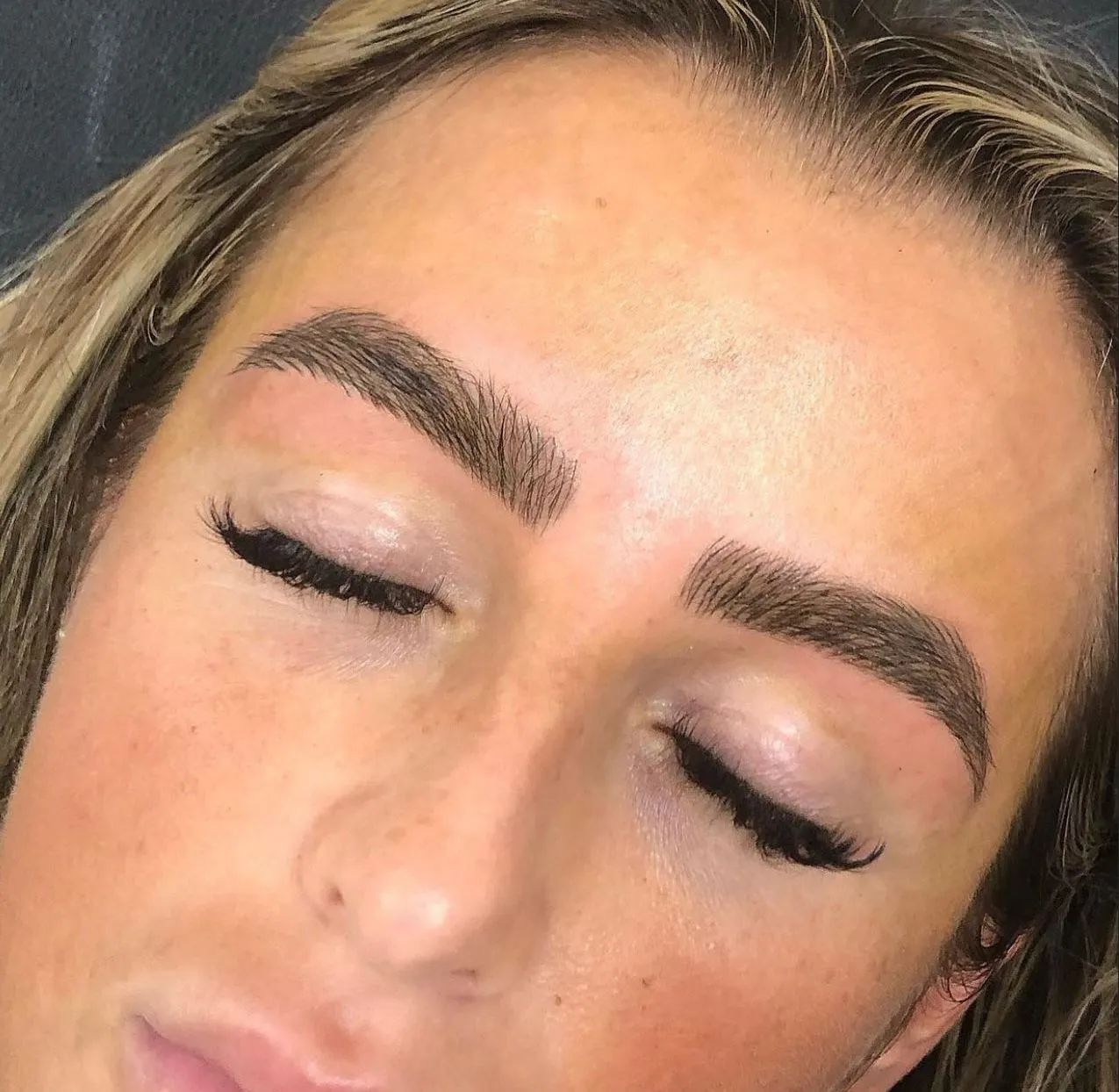
Before you touch a blade or machine, you need to understand the local laws. Because this isn’t just about beauty care — it’s about breaking skin.
In Australia, performing cosmetic tattooing is regulated state-by-state. That means the qualifications, training requirements, and licensing can vary depending on where you live. But here are the basics:
Minimum Requirements
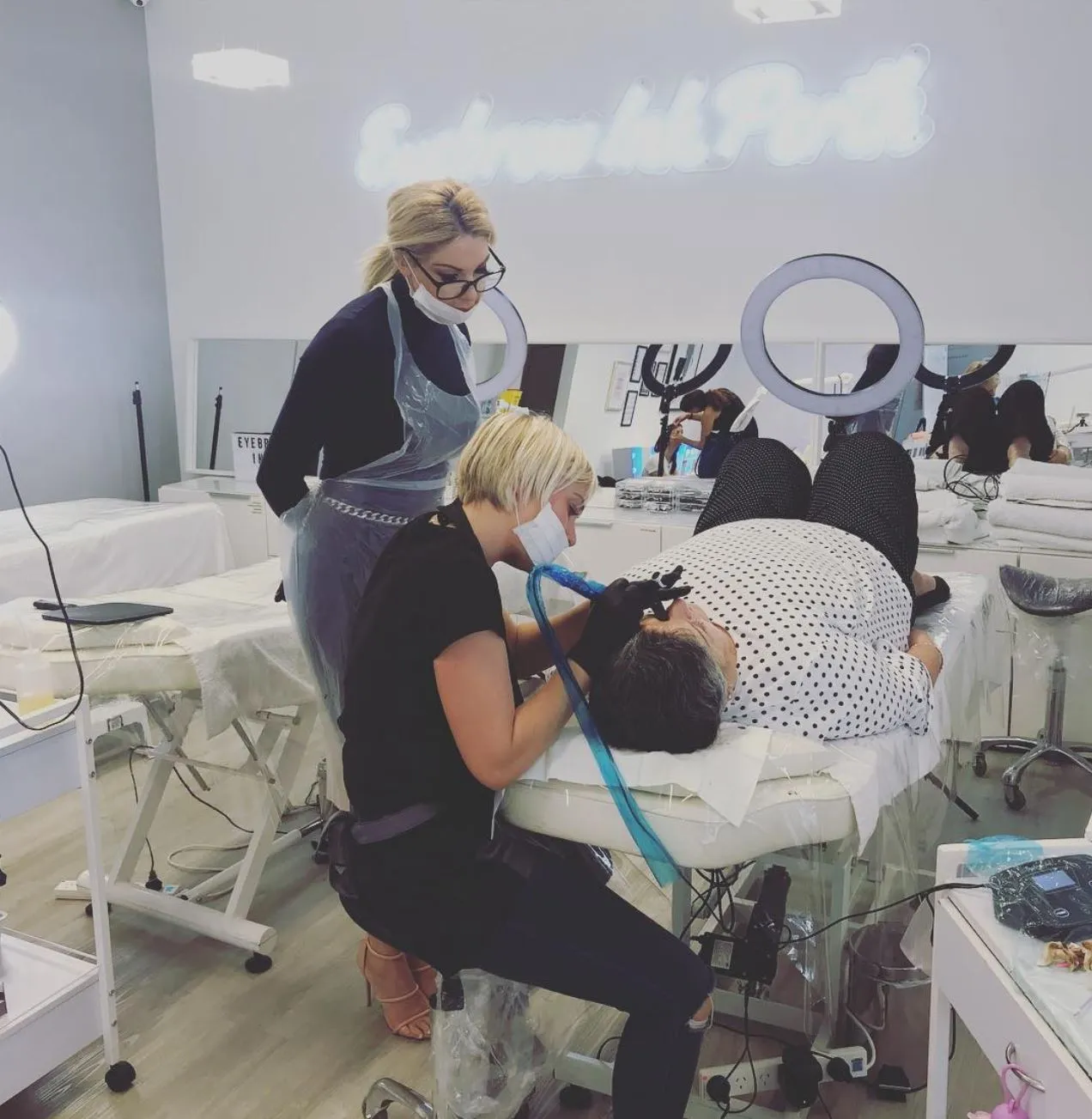
- Infection Control Certification (SHBBINF002 or SHBBINF003): This is mandatory across most states. It teaches you how to maintain hygiene standards when working with skin penetration and minimise the risk of infection.
- Skin Penetration Licence / Body Art Licence: Required in states like Queensland, NSW, and SA to legally perform any skin-penetrating treatments, especially for brow services.
- Council Registration: Your studio or mobile beauty clinic must be registered with your local council and may be subject to inspection.
| State/Territory | Licence Required | Infection Control Mandatory | Studio Registration |
|---|---|---|---|
| NSW | Yes | Yes | Yes |
| VIC | No* | Yes | Yes |
| QLD | Yes | Yes | Yes |
| SA | Yes | Yes | Yes |
| WA | No | Yes | Yes |
| TAS | No | Yes | Yes |
| NT | No | Yes | Yes |
| ACT | No | Yes | Yes |
Note: In Victoria, you don’t need a specific personal licence, but your premises must comply with Public Health and Wellbeing Regulations.
Training That Actually Matters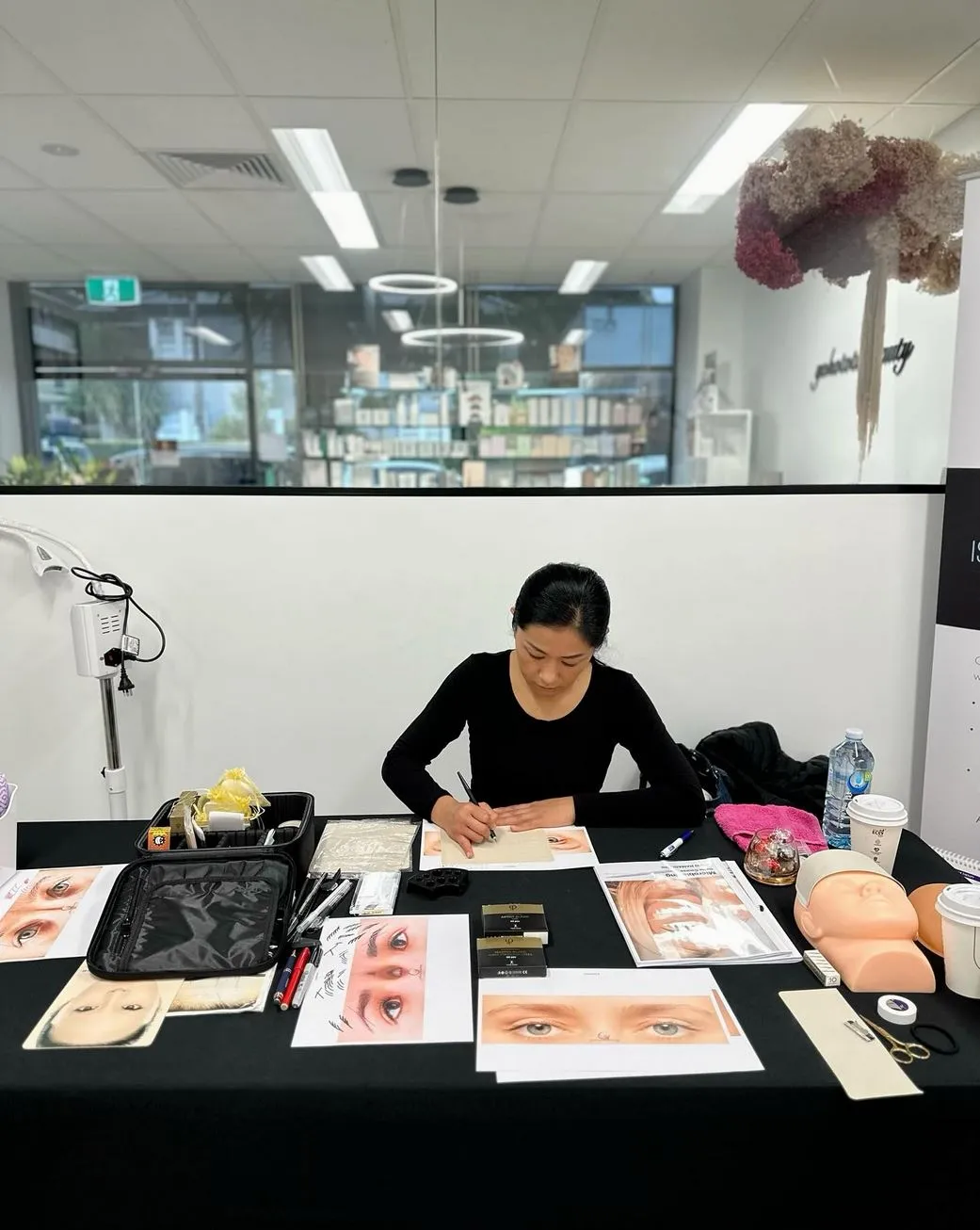
Let me be blunt: a two-day crash course with no model practice and a paper certificate of completion isn’t going to cut it — not for skill, not for insurance, and definitely not for your clients.
Whether you’re just getting started or looking to upgrade your skills, enrolling in an accredited eyebrow feathering course is one of the smartest moves you can make. These specialised brow courses focus on delivering real, practical knowledge about the application of feathered strokes, brow mapping, pigment retention, and skin analysis.
Look for:
- Nationally recognised eyebrow courses and beauty therapy courses (like SHBBSKS003 or equivalent)
- Hands-on practice with cosmetic models and real clients under supervision
- Trainers with real beauty industry experience (check their Client reviews and previous clients!)
- Ongoing support post-certification to help you grow your beauty career
Avoid any course that:
- Promises you’ll be a “master artist” in two days
- Has no hygiene, skin science, pigment theory, or brow mapping
- Offers online courses with no practical component or cosmetic tattoo application beautician demos
If it sounds too good to be true, it probably is.
Do I Need a Beauty Background First?
Nope — not legally. But having relevant experience in beauty therapy, make-up artistry, or brow shaping definitely helps. It means you already understand:
- Face shapes, skin tones, and symmetry for creating perfect brows
- How to communicate with potential clients and build trust
- Basic skin analysis and knowledge of adverse effects
That said, some of the most skilled artists I know started with no beauty teacher or make-up artist background and just took their beauty courses seriously.
Insurance: Don’t Skip It
If you’re tattooing faces, you better be insured. You’ll need:
- Public Liability Insurance
- Professional Indemnity Insurance
- Treatment Risk Cover
Make sure your provider includes coverage for brow treatments like brow lamination, brow tinting, and tattooing, as some general policies exclude high-risk services.
Tools, Hygiene, and Safety
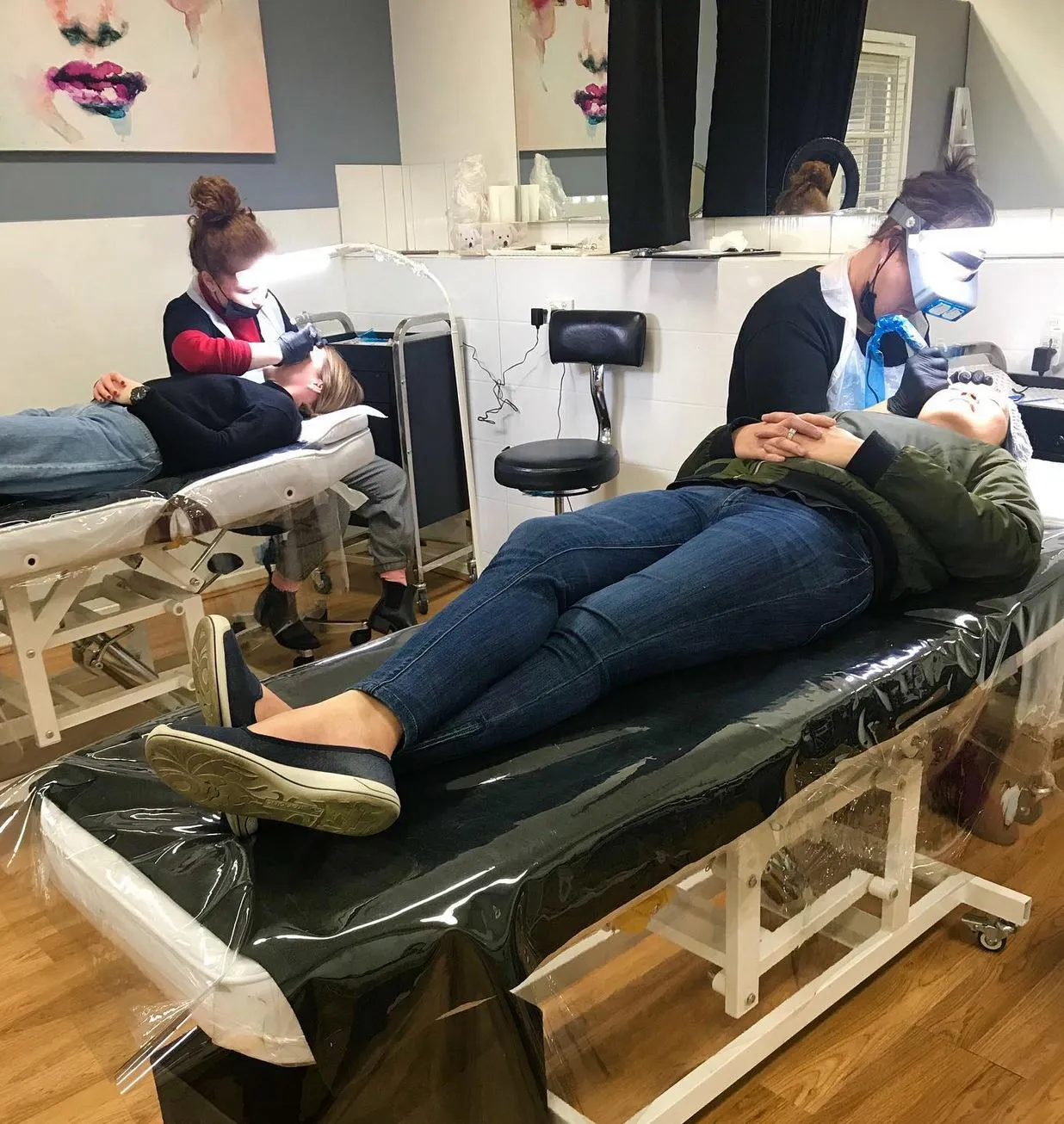
You’ll need to invest in proper:
- Single-use sterile blades or needles
- Starter kits that include pigment cups, rulers, pre-draw tools, etc.
- Medical-grade disinfectants and cleaning protocols
- Sharps containers and clinical waste disposal contracts
- Aftercare instructions and treatment consent forms
The appearance of brows may be delicate, but the procedures are serious. Hygiene breaches can result in legal action, loss of licence, or worse.
The Rise of the Natural Brow

According to the Australian Beauty Industry Survey (March 2025), 62% of brow clients now request “ultra-natural” results. Beauty lovers are choosing bespoke brows over bold Instagram brows.
Techniques like feathered brows, nano brows, and combo brows are in. Clients want real brows that match their natural beauty and enhance the art of brow styling — not cartoonish outlines.
With that shift comes higher expectations. Potential clients want:
- Transparent qualifications and infection control practices
- Skin tone matching and consideration for mental health challenges (e.g. hair loss due to alopecia or chemo)
- Realistic advice from beauty experts, not salesy pitches from uncertified artists
Final Thoughts
Brow tattooing is a specialist skill, not a shortcut to a quick buck. It’s a treatment that takes time, study options, and hands-on experience to do well.
If you’re ready to:
- Learn properly through a quality eyebrow feathering course
- Train with cosmetic models and real clients
- Offer affordable beauty services safely
- Provide honest beauty advice
- Work in beauty clinics, salons, or even launch your own brand
Then there’s a real employment opportunity for you as a brow stylist.
Just remember: there’s an art to eyebrows, and it’s not one-size-fits-all.