
Contents
Take a historical walk through Cowes town, Phillip Island
Cowes, a beautiful seaside town on Phillip Island, is famous for its views but also its history. From settlement days to today Cowes has a mix of history, culture and nature. A historical walk in Cowes allows you to walk maritime history, landmarks and wildlife. As you walk through the streets you’ll see sites that reflect the towns evolution from George Bass to today, so it’s a must see for history lovers and nature enthusiasts.
Early Settlement and History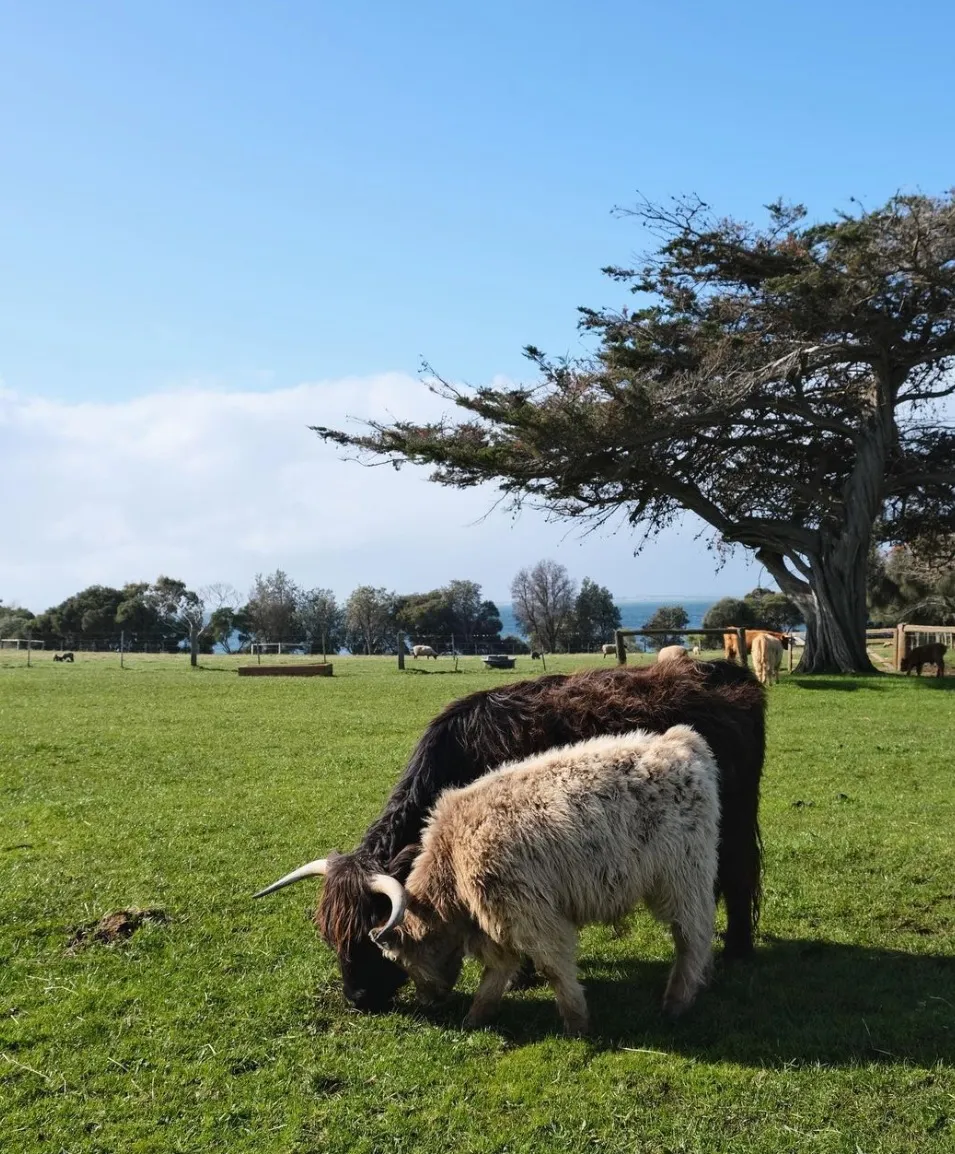
Cowes early history is closely tied to the exploration and development of Phillip Island. In the late 1700s George Bass and other explorers mapped the coastline which would later become a settlement area. The fertile land and bay beaches made it an ideal spot for farming and fishing which helped the town grow. The establishment of nearby areas like San Remo and Churchill Island helped shape Cowes into a maritime town. Today you can walk the very streets where the early settlers lived and worked.
Historical Sites to Visit
Cowes has many well preserved historical sites that give a glimpse into the towns past. These landmarks not only show the towns development but also its part in the broader history of Phillip Island. Visitors to Cowes can walk to a range of sites, from places of worship and communication hubs to maritime relics that helped shape the island.
St. Phillip’s Church
St. Phillip’s Church was established in 1870 and is one of the oldest buildings in Cowes. It was a central part of the early settlers lives, a place of worship and community gathering point. The stone building reflects the construction methods of the time and the stained glass windows are a work of art from the era. Today it’s still a place of worship and a iconic landmark in the town. Visitors love its timeless beauty which has been preserved for over 150 years.
Old Cowes Post Office
Built in the 1860s this was the hub of communication in an era when letters and telegrams were the only way to communicate long distance. The post office was more than just a post office it was the place where the towns people gathered, shared news and did business. Its connection to the outside world cannot be over stated. The post office was a functional space and a social hub in the early days of the town. Today you can visit the site and imagine life in the 19th century.
Cowes Jetty
Cowes Jetty built in the late 1800s is a historic site that is still the heart of the town’s maritime heritage. Originally built for trade and transportation the jetty was the hub of the local fishing industry with fishing trawlers docking here to bring in their daily catch. Over time the jetty has become a tourist hot spot with panoramic views of Western Port Bay and nearby French Island. From the jetty you can depart on a Wildlife Coast Cruise, a scenic cruise to Seal Rocks or simply take in the coastal views. The jetty is a living link to Cowes’ seafaring past.
Other Sites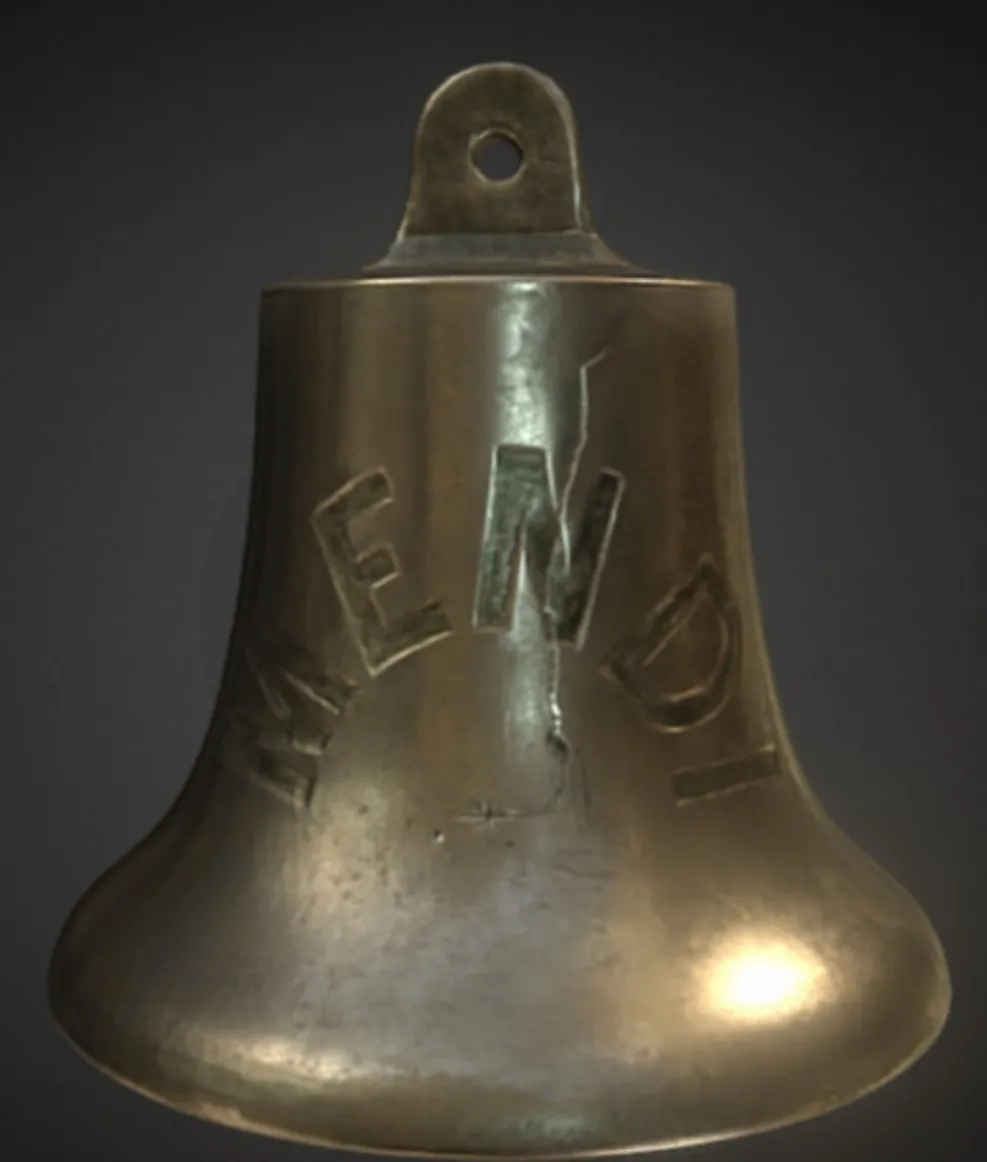
Beyond these main sites Cowes has several other historical attractions. The Cowes Maritime Museum for example is a treasure trove of information about the town’s maritime history. Here you can learn about the fishing industry, early boat building and Cowes’ involvement in coastal trade. Historical plaques around the town will also guide you on a self guided tour of the town’s history.
Historical Walks in Cowes
Cowes has several marked walking routes where you can experience the town’s history for yourself. One of the most popular is the Cowes West Heritage Walk which takes you through the heart of the town and past many of its most historic sites. Starting at the Cowes Visitor Centre this walk will take you to St. Phillip’s Church, the Old Cowes Post Office and Cowes Jetty. Along the way you’ll see old world architecture and modern day businesses, a perfect mix of history and contemporary life. Another walk is the Bass Coast Rail Trail which runs through Cowes and has stunning coastal views and a historical perspective on the area. This trail was once the railway that connected Cowes to the mainland and is now a walking and cycling path. Along the trail you’ll find several points of interest related to the town’s maritime and agricultural history and its part in the development of Phillip Island.
Historical Events
Cowes has been the backdrop for many significant events that have shaped the town and the surrounding Phillip Island region. One of the biggest was the introduction of the Cowes Ferry Service in the 1880s which connected Phillip Island to the mainland at San Remo. This ferry service was the lifeline for goods and people and helped kickstart the island’s economy. World War II was another big one, Phillip Island was a training ground for Australian troops and Cowes played a supporting role, the town’s infrastructure was used for all sorts of war related things. In more recent times the growth of Cowes as a tourist destination has had a big impact on the town. The development of attractions like the Penguin Parade at Summerland Beach has drawn visitors from all over the world. The parade, which is the nightly return of little penguins to their burrows, is one of the most popular tourist attractions on Phillip Island and a big contributor to the local economy.
Phillip Island and Indigenous Heritage
Before European settlers arrived Phillip Island was home to the Bunurong people who lived on the land for thousands of years. Their connection to the land and sea is still evident today, there are many sites around Cowes and the broader island that are culturally significant. Visitors to Cowes can learn about the Bunurong people’s way of life and their deep spiritual connection to the island’s landscapes. The Phillip Island Nature Parks who manage attractions like the Penguin Parade and the Koala Conservation Reserve also look after the island’s Indigenous heritage. Guided tours and educational programs provide insights into the traditional knowledge of the Bunurong people so visitors can better understand the historical and cultural significance of the land they are walking on.
Modern Cowes: History and Vibrancy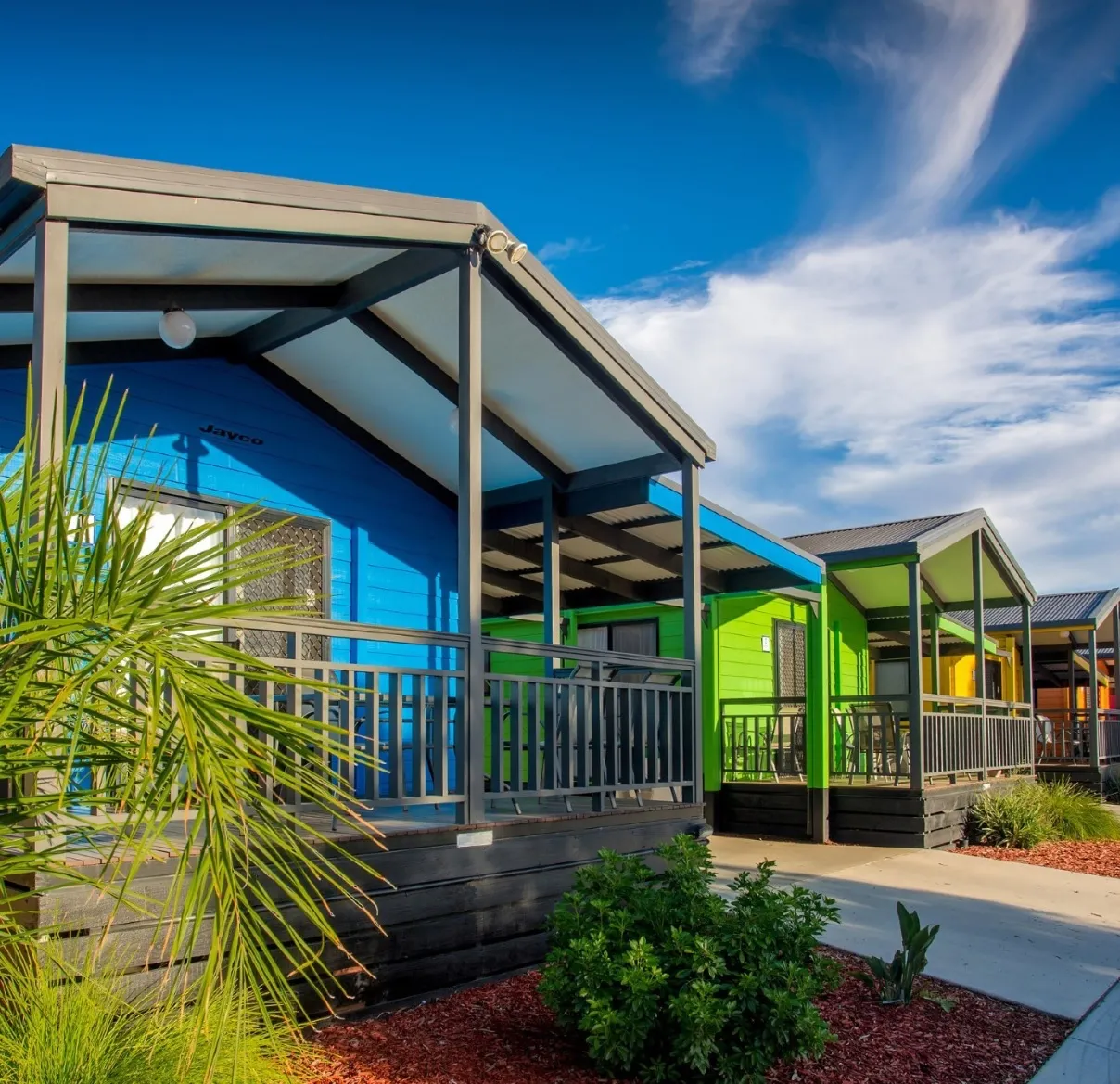
While Cowes is a town steeped in history it has also become a lively modern destination with something for everyone. Whether you want to explore the historical sites or indulge in the contemporary attractions Cowes has it all. The town’s beautiful beaches and bay beaches are perfect for relaxing, the surfing beaches are for thrill seekers. Modern accommodation like Phillip Island Apartments and Phillip Island Park Lane Holiday Park provide comfort and convenience so Cowes is a great place to stay for a short visit or a longer getaway. Cowes is also a family friendly destination with activities like the Penguin Parade, Koala Reserve and Wildlife Coast Cruises for all ages. Families can also grab a bite to eat at the Beach HQ Restaurant & Bar which has stunning views of the coastline and great food. If you want to learn a bit of history visit the Cowes Community Partnership and the District Historical Society to get a better understanding of the town’s past and its relevance today.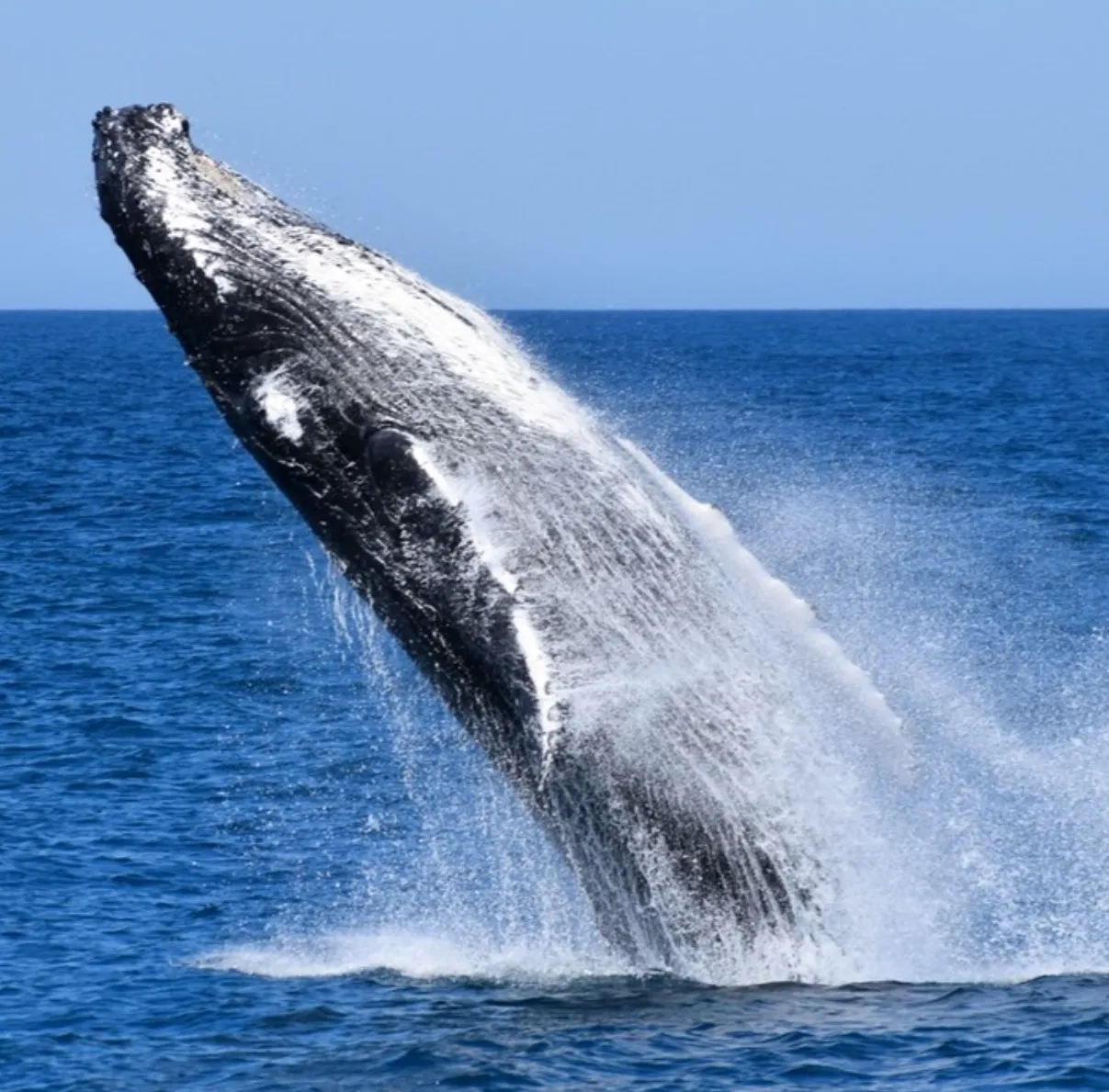
Conclusion
A walk through Cowes is more than just a walk through town—it’s a Phillip Island tour back in time. From its beginnings as a settlement to its modern day, Cowes has so much to offer. Whether you’re visiting historical landmarks like the Old Cowes Post Office and Cowes Jetty, walking the heritage trails or enjoying the views and Aussie wildlife, Cowes is a town where past and present live together in harmony. https://youtu.be/H3qYAZQId-4?si=T1LUoXUhmdod89XN
FAQ
What are the top historical sites to see?
Key sites include St. Phillip’s Church, the Old Cowes Post Office and Cowes Jetty. Each of these sites gives a glimpse into the town’s early settlement and maritime history.
Can I do a guided historical tour in Cowes?
Yes, the Cowes West Heritage Walk is a guided historical tour of the town’s key sites and landmarks.
What family activities are in Cowes?
Cowes has plenty of family activities, Wildlife Coast Cruises, Penguin Parade at Summerland Beach, Koala Conservation Reserve and the beaches and bay beaches are great for family fun.
Are there places to stay near Cowes historical sites?
Yes, you can stay at Wyndham Phillip Island, Ramada Resort Phillip Island and other guest houses and hotels, all close to Cowes’ historical sites and main tourist attractions.
What’s the best time to visit Cowes for historical walks?
Cowes is open all year but the warmer months are best for walking the historical sites and outdoor activities like cruises and wildlife reserves.