
Contents
- 1 Adventure in the Red Center in Australia
- 1.1 Getting to the Outback
- 1.2 Infrastructure far away from the metropolises
- 1.3 Australia’s Indigenous people: The Aborigines
- 1.4 Alice Springs – the desert capital
- 1.5 Devil’s Marbles
- 1.6 Ayers Rock
- 1.7 Kata Tjuta or the Olgas
- 1.8 My Outback highlights: Kings Canyon
- 1.9 Staying at Ayers Rock
- 1.10 12 things you have to experience in the Outback
Adventure in the Red Center in Australia
Australia is truly a paradise. Vibrant cities, mysterious islands, a dazzling coral reef and fabulous beaches. And not to forget: the outback! In the middle of the continent, in the vast desert of the Red Center, you will find real natural phenomena. But I don’t want to give too much away yet!
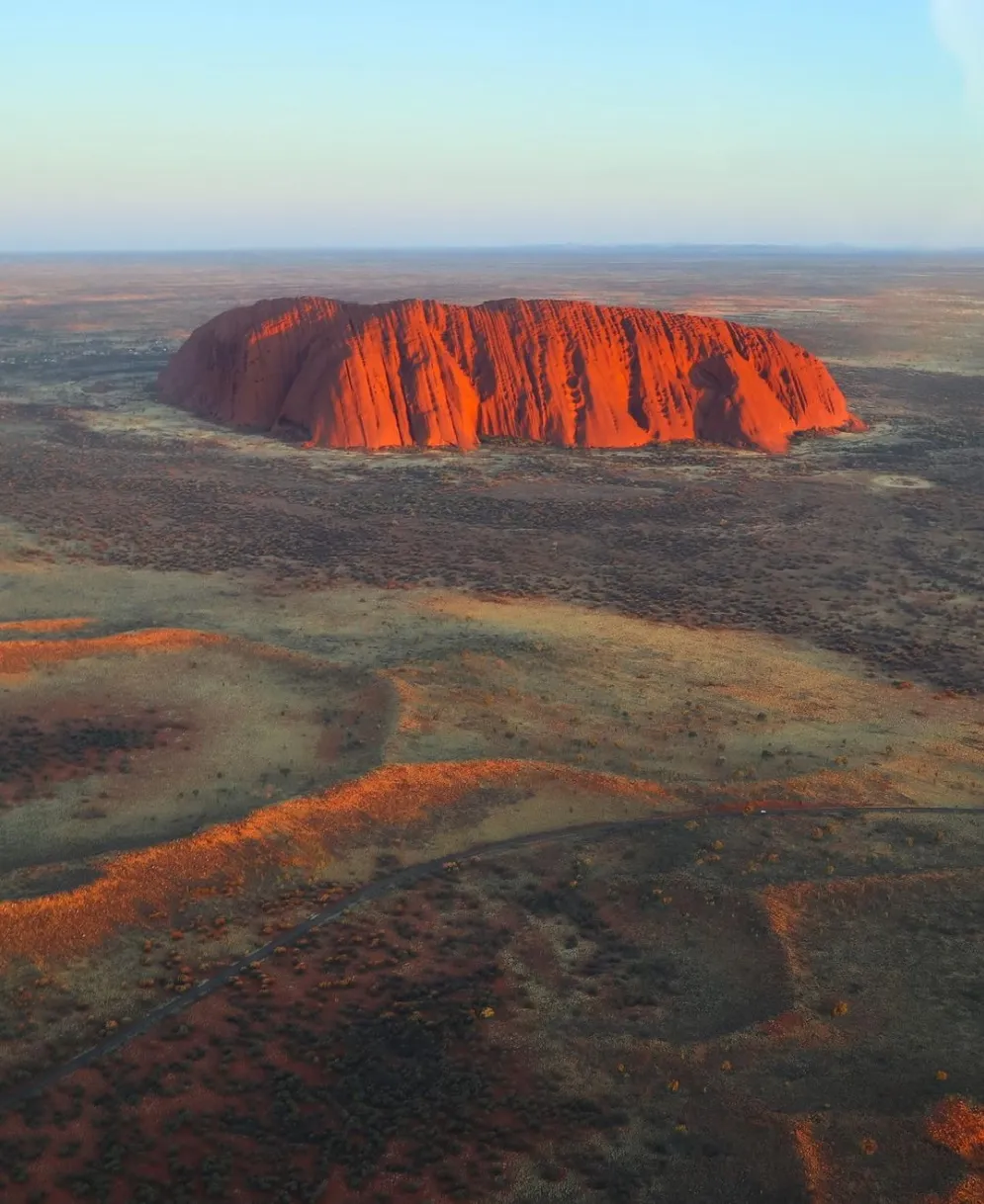 Ayers Rock is certainly familiar to all of you. Images of this oversized rock have been seen worldwide, and the rock is a tourist magnet in the Red Center, an area in the middle of Australia famous for its reddish sand. Far away from coastal cities like Sydney and Melbourne, you can learn much about Australia’s original culture and marvel at Mother Nature. Come with me on my adventure trip to the Australian Outback, where temperatures rise to 50 degrees, hardly any rain falls, and barren landscapes stretch to the horizon.
Getting to the Outback
The best starting point for your adventure to the Red Center is the desert capital of Alice Springs in the middle of the outback. Alice Springs has an airport that connects the city in the outback with Australian metropolises such as Melbourne, Sydney, Darwin, Cairns, Perth and Adelaide. At the same time, this means that there are no direct flights from Germany to Alice Springs. To make the trip around the world worthwhile, I recommend spending at least three weeks Down Under and planning a stop for at least three days in the outback.
As you know, Australia is a backpacker’s paradise, but it is also a popular destination for holidaymakers who like exotic destinations. Those with limited travel time should fly from one of Australia’s coastal cities to the country’s middle. Travellers with plenty of time and a sense of adventure can make the long journey in a campervan or rental car.
From Darwin, the famous Stuart Highway, also known as the A87, takes you straight through the country’s middle to Port Augusta in the south. From Darwin in the north, you must travel around 1500 kilometres to get to Alice Springs – true to the motto: the journey is the destination! But I promise you, this is where you get to know the real Australia, away from the tourist cities.
Infrastructure far away from the metropolises
On your journey across the vast country, you will come across cattle ranches in the middle of nowhere and here and there, you will drive past supply stations with a few houses. Often, there is a gas station, a small supermarket, a repair shop, a bank, a post office, a motel, and a pub under one roof. Be sure to stop and talk to the operators or other guests! One or two of the locals will surely have interesting stories to tell. I would also recommend that you always keep an eye on the fuel gauge because it is not uncommon for the next gas station to be hundreds of kilometres away.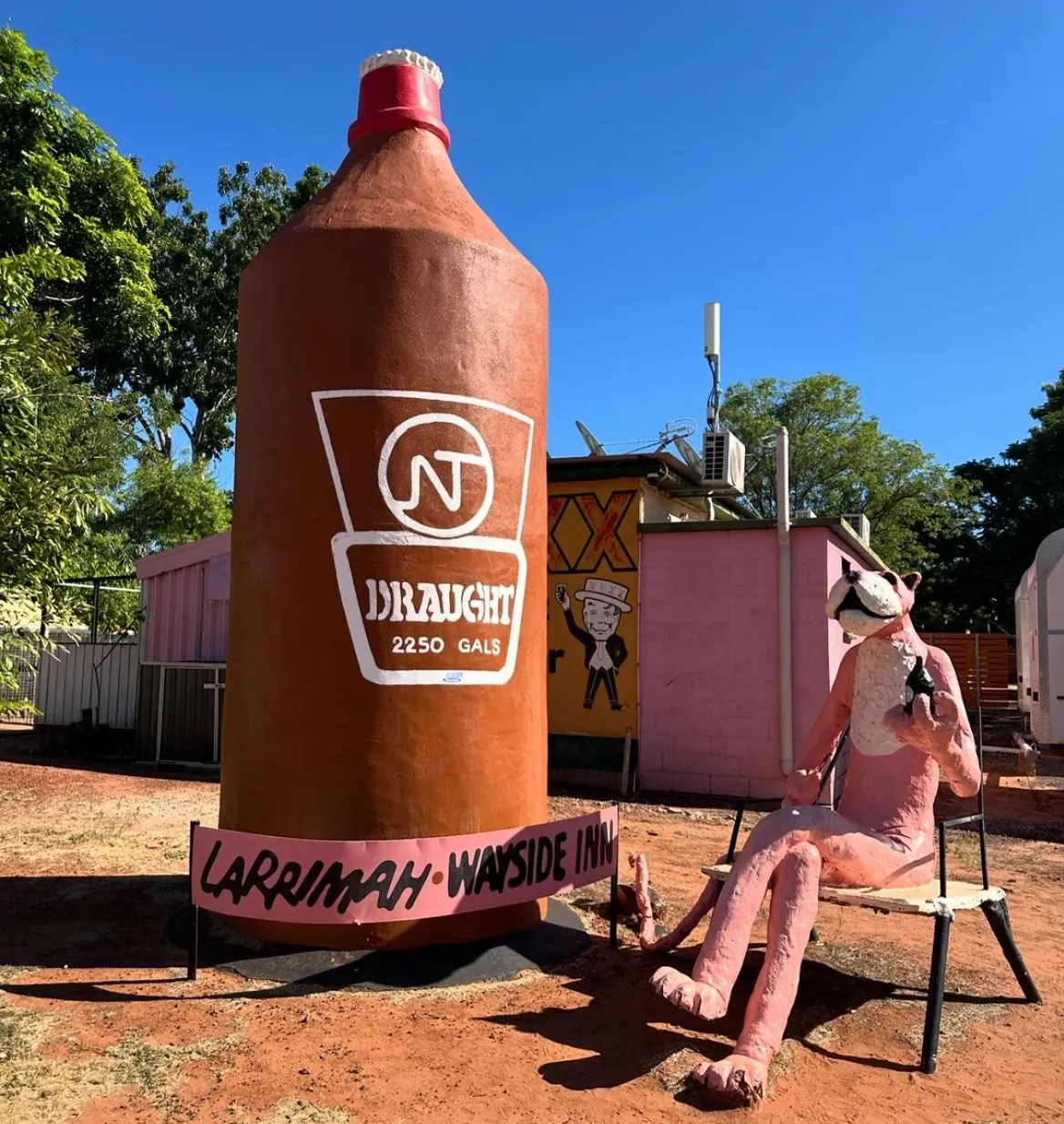
Exceptional campsite:
Right on the Stuart Highway, the figure of a pink panther welcomes you at the gate of the Larrimah campsite. You can spend the night in wooden huts, but that’s not all: the operator calls himself a “cowboy” and gives numerous Australian animals a home. Don’t be alarmed if emus knock on the bathroom window.
In the outback, there are a few large highways that take you along the most important routes. The so-called road trains, which ensure the continent’s supplies, run on the straight, deserted roads through central Australia. If you travel independently, please remember that your normal cell phone will not work in remote areas. If you want to make contact, you will need a satellite phone!
In the outback, everyday life is a little different for the residents. The few children who live in this remote area receive distance learning via radio and the internet, also known as the School of the Air. If someone falls ill, they cannot simply drive to the nearest hospital; instead, the Royal Flying Doctor Service, based in Alice Springs, flies to help. It’s unimaginable for us, isn’t it?
Australia’s Indigenous people: The Aborigines
You have probably heard of the Aborigines, the original inhabitants of Australia. After the arrival of the Europeans in 1770, the number of indigenous inhabitants steadily decreased, mainly due to imported diseases and violent conflicts. Over time, the relationship between European settlers and the indigenous Australians did not improve. At the beginning of the 20th century, Aboriginal children were taken from their families and given up for adoption to white families or to missions to be integrated into the life of “white society”. This inhumanity went down in history under the term “Stolen Generation“.
From today’s perspective, forced adoptions are, of course, a violation of human rights. Since May 26, 1998, Australia has celebrated “National Sorry Day” as an apology to the indigenous people for this terrible past. In the outback, in particular, consideration was given to the culture and beliefs of the Aborigines. For example, their sacred sites are protected and made inaccessible to tourists during ceremonies. If you would like to find out more about the original inhabitants of the fifth continent, you will find a wealth of information in the Cultural Center near Ayers Rock, also known as Uluru, and in Alice Springs in the Museum of Central Australia.
Alice Springs – the desert capital
Alice Springs is a city in the middle of nowhere, at least 1,500 kilometres from other big cities. With its 24,000 inhabitants, it is the only metropolis in the outback. For most tourists, the city’s airport and direct connection to the Stuart Highway serve as a strategic starting point for the Red Center.
Use your time here to learn a bit about life in the outback. The Adelaide House, the city’s first hospital, is extremely interesting and now houses a historical museum about the Royal Flying Doctor Service. Since the outback has to cover incredible distances, this service still provides medical care using planes and helicopters.
Devil’s Marbles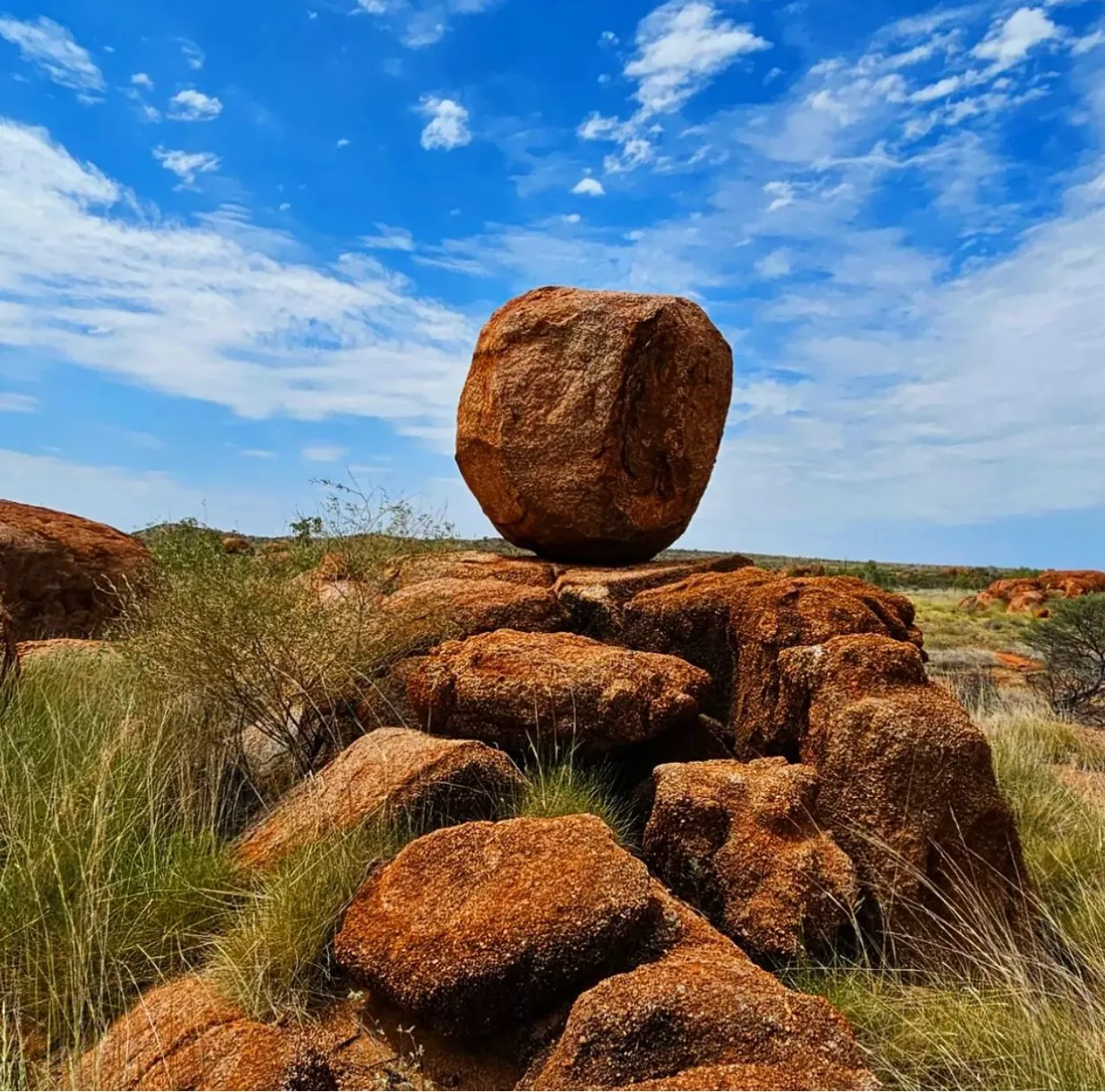
Before I get to the real highlights of the Red Center, I don’t want to withhold this insider tip from you: On your way from Darwin to Alice Springs along the Stuart Highway, you can suddenly see extraordinary rock formations from the window. The Aborigines call the site, which is sacred to them, Karlu Karlu. Internationally, however, it is better known as Devil’s Marbles, which means something like “the devil’s marbles” and literally stands for the rock formations.
The round granite rocks were formed thousands of years ago by weathering and erosion. It is impressive how these stone marbles lie on each other and give the impression that they are almost rolling away. You will definitely find the ideal photo spot in the stone desert!
Ayers Rock
The rock in the middle of the outback is not only a symbol of Australia but also a tourist attraction and a sacred site for the Aborigines, alongside the Sydney Opera House. The inselberg, made of reddish rock, rises 348 metres above the desert landscape and is an incredible three kilometres long and up to two kilometres wide. The oversized monolith and the Olgas, another force of nature I would like to introduce later, are located in the Uluru-Kata-Tjuta National Park.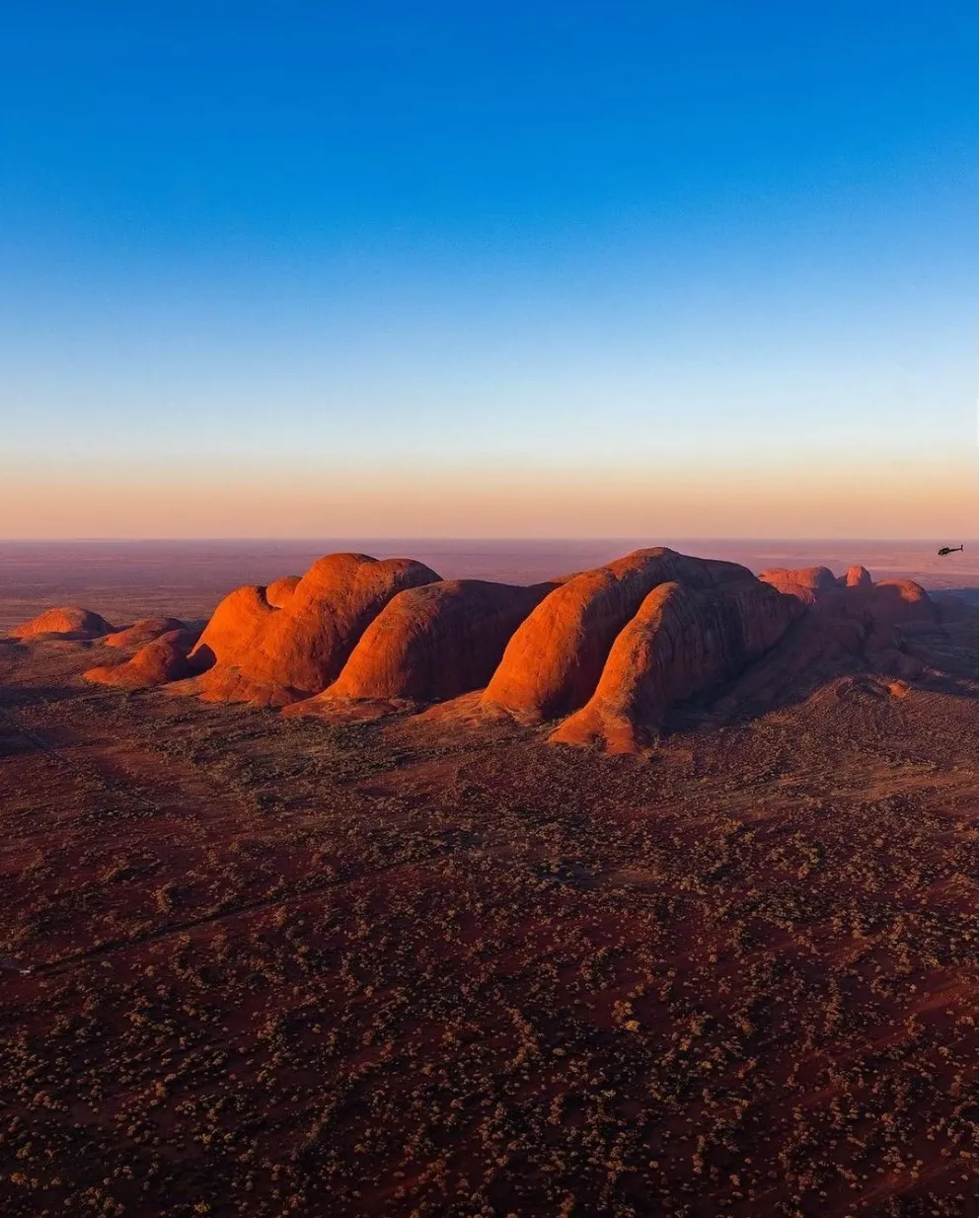
At Ayers Rock, park rangers offer guided hikes on the so-called Mala Walk free of charge:
- October to April: 8 a.m.
- May to September: 10 a.m.
- Meeting point: Mala Walk car park
Incidentally, Ayers Rock is called Uluru by the indigenous people. The name Ayers Rock was given to the rock in the outback by the first great European explorers in 1873 and named after the then South Australian Prime Minister Henry Ayers.
You can see the rock majestically towering over the desert landscape from afar. Its full extent is best seen from a distance. Incidentally, Uluru is probably the most photographed rock in the world! Once you have reached the foot of the monolith, you can walk around Uluru on marked paths that lead you past information boards and Aboriginal paintings. You will be amazed at how different the landmark looks with all its cracks, caves and water holes. It is particularly good for hot days when you can fill up your drinking water at two places. I recommend that you set off early for sunrise. Also, remember sunscreen and a hat because, as you know, the Australian sun is incredibly strong. The play of colours is very characteristic of Ayers Rock. Depending on the position of the sun and the cloud cover, the rock shines in shades from brown-grey to orange or strong red.
Visit the National Park’s Cultural Center and learn more about the myths of the indigenous people. The mountain has been a sacred place for the Aborigines for thousands of years: According to Aborigines’ belief, the world was created in the so-called Dreamtime. The indigenous people believe Uluru was created when the Rainbow Serpent reared up deep underground and pushed a stone to the surface. According to the myth, numerous Dreamtime paths cross at Uluru, connecting sacred places across the continent.
I did not climb!
Climbing Uluru is permitted on marked paths but is not desired by the indigenous people. For them, the mountain is a sacred site, and there have been accidents in the past. Out of respect for the indigenous people, I would recommend that you do not attempt the climb. Due to the National Park Administration’s public relations work, fewer tourists dare attempt the climb – shortly, it may even be banned. In the Cultural Center, you can sign a guest book with a very special message: “I did not climb!”
Numerous myths surround Uluru: many tourists take some sand or a small stone from the red centre of Australia home with them as a souvenir. The indigenous people do not like this, but according to the myth, the thieves will be haunted by Uluru’s revenge. Taking natural objects is said to bring bad luck. Numerous former tourists return packages or letters to Australia daily, asking them to return the stones to their original place. After that, bad luck is said to leave the stone thieves alone.
Kata Tjuta or the Olgas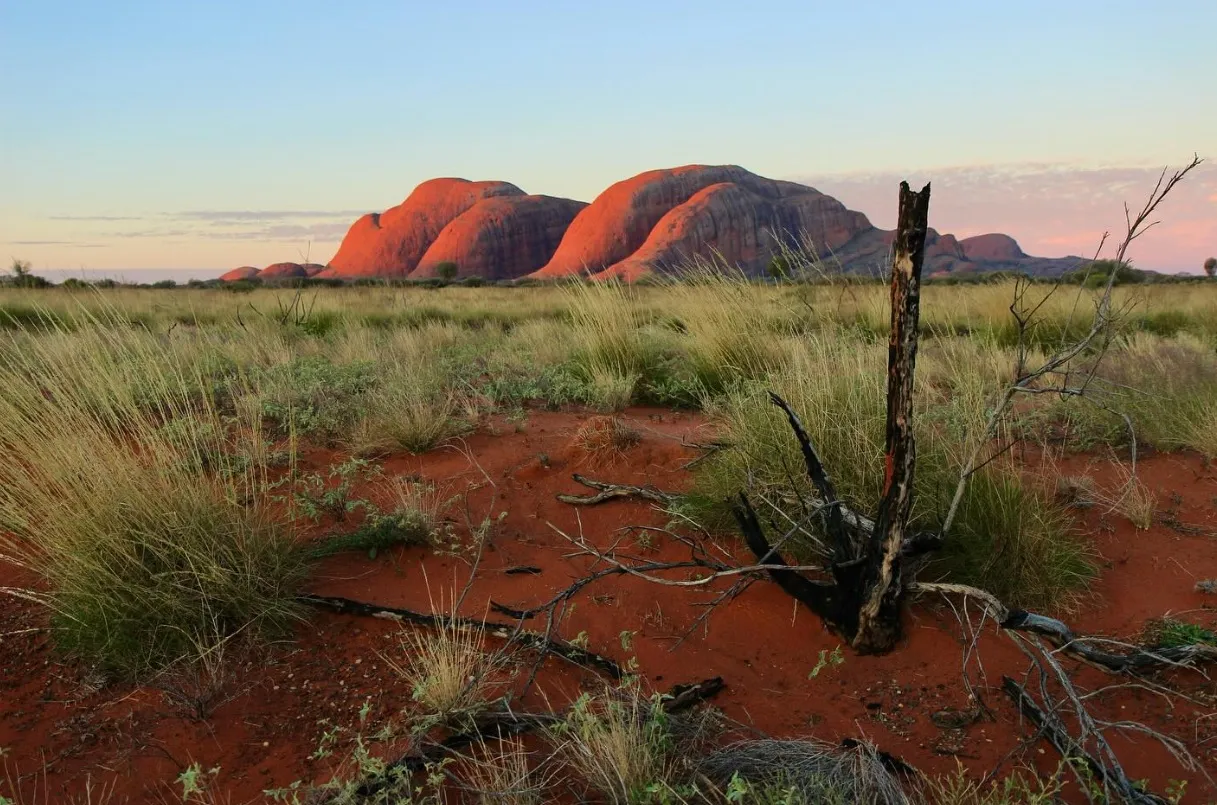
This bizarre rock formation is not as well known as Uluru, but you will be amazed when you visit! The name Kata Tjuta translates as “many heads”, and from a distance, the rocks actually look like stone human heads. Like Uluru, the Europeans also gave the mountains their own name: in 1872, the explorer Ernst Giles named the mountains “the Olgas” after Queen Olga of Württemberg.
Two hiking trails lead through the closely spaced mountains. The “Valley of the Winds” trail is 7.5 kilometres long and takes you to two viewing platforms. Please note: This trail is closed when temperatures exceed 36 degrees. The “Walpa Gorge” trail, which is 2.5 kilometres long, is always open to visitors.
My Outback highlights: Kings Canyon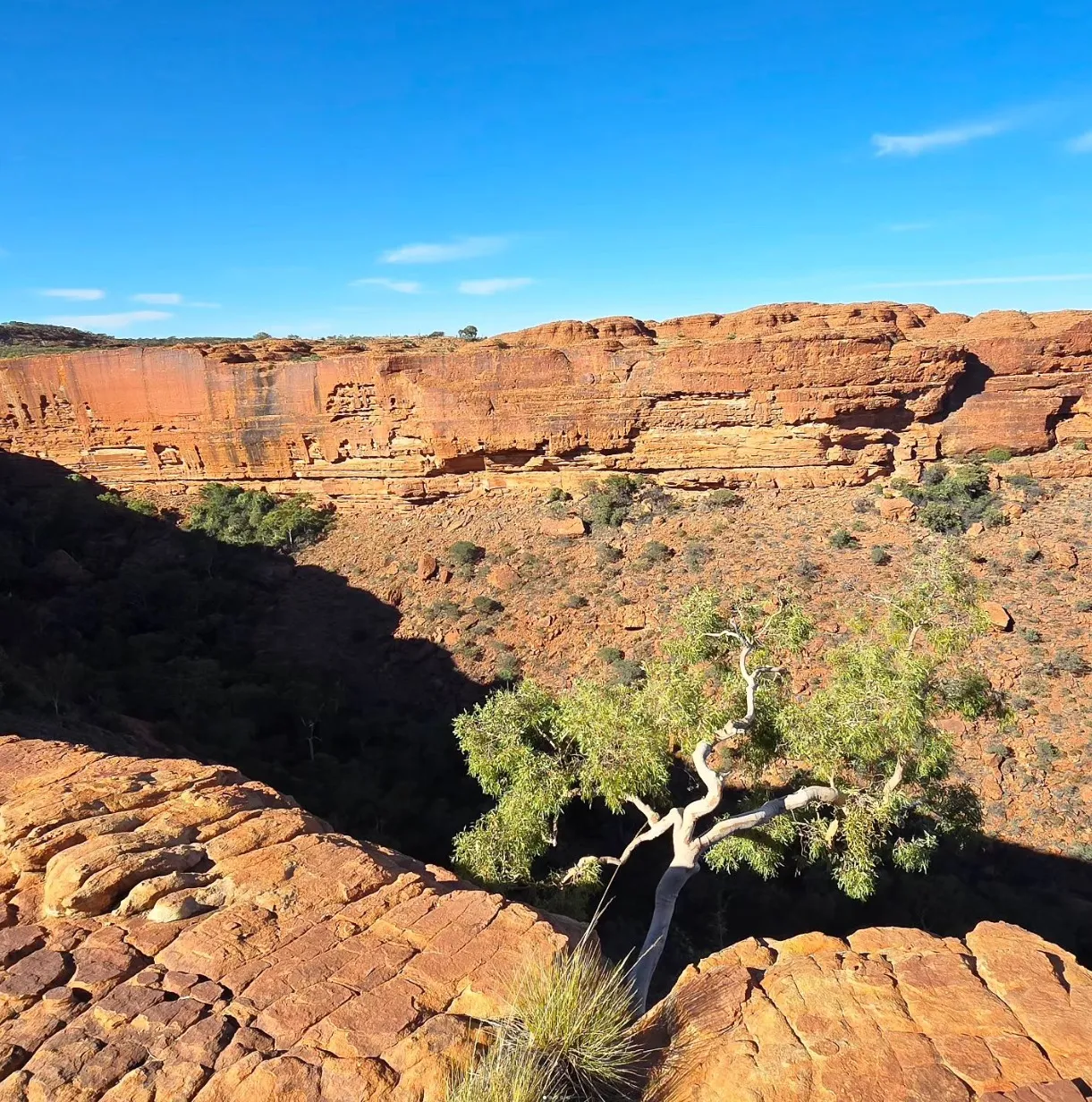
I couldn’t stop being amazed when I hiked through Kings Canyon! Admittedly, if you’ve ever seen the Grand Canyon in the USA with your own eyes, this gorge won’t impress you much. But Kings Canyon, the deepest gorge in Australia, should definitely be on your route. The deep gorge opens up about 300 kilometres from Uluru and is the main attraction of Watarrka National Park.
The rock walls show the typical outback colours: red, yellow, and white rocks form steep gorges up to 100 meters deep. Paths lead to phenomenal viewpoints, and steps descend into the gorge. The hike here was actually my personal highlight in the outback!
If you pass by Lake Amadeus on your way by car, you must make a short stop because you can observe the natural phenomenon of a dry salt lake here.
Staying at Ayers Rock
Since Alice Springs is 340 kilometres from the Uluuu-Kata-Tjuta National Park, I recommend that you spend one or two nights in the town of Yulara, also known as Ayers Rock Resort, and set off from there in the early hours of the morning to see the natural phenomena. Today, the town, which was once founded as a tourist supply centre, has around 1,000 inhabitants. Every traveller will find suitable accommodation here – from a simple campsite to a comfortable hotel. There is even a small airport here.
12 things you have to experience in the Outback
- At the Cultural Center at Uluru, write “I did not climb” in the guest book and look at the collection of letters from the returned stones.
- Spend the night in an Australian swag – this is a small one-man tent or a sleeping bag with a thin mattress, and it protects you from the cold of the outback at night. Don’t miss this opportunity to sleep under the stars. You can close the swag over your head if the wind blows red sand around your ears.
- Look at the unique, shining, starry sky. In the outback, far away from the big cities, there are no disturbing light sources, and you can even see shooting stars!
- Watch Uluru from a distance at sunrise and sunset and marvel at the colour changes.
- For backpackers: A road trip along the Stuart Highway.
- Walking around Uluru – a must!
- In Alice Springs, visit the Royal Flying Doctors Service Museum and learn more about life and work in the outback.
- Visit a cattle farm in the Australian outback.
- Marvel at the Aboriginal cave paintings.
- Take funny photos with the stones of the Devil’s Marbles.
- Hiking through Kings Canyon.
- Learn the difference between a kangaroo and a wallaby.

The question of what’s the best way to waterproof a rooftop had been bugging me after another Melbourne storm left me feeling soggy. I spend


Ever Left a Microblading Appointment Excited—Only to Panic When They Start Flaking? You’re not alone. As a cosmetic tattoo artist since 2016 I’ve walked hundreds

Let’s be honest: brow tattooing isn’t something you just pick up after a few YouTube tutorials and a $30 machine off eBay. Feathered brows (also

Katherine Gorge in the Nitmiluk National Park in the Northern Territory of Australia is a beauty that attracts visitors from all over the world. The
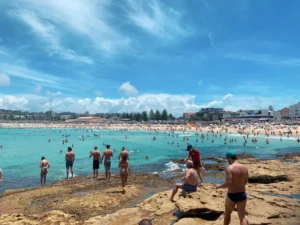
Sydney, the harbour city, is famous for its beaches, which attract visitors from everywhere. With golden sand, clear water, and perfect surf, Sydney has a
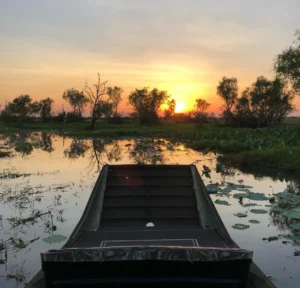
Contents1 Explore the Floodplains by Airboat in Kakadu National Park1.1 The Floodplains of Kakadu1.2 What to Expect on an Airboat Tour1.3 Your Airboat Adventure1.3.1 Starting
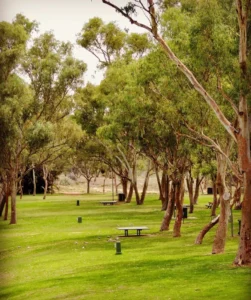
Contents1 From Alice Springs to Uluru: Top Hiking Trails and Walks1.1 Alice Springs: Outback Gateway1.1.1 Alice Springs Telegraph Station to Simpsons Gap1.1.2 Mount Gillen Summit1.2

Contents1 Take a historical walk through Cowes town, Phillip Island1.1 Early Settlement and History1.2 Historical Sites to Visit1.2.1 St. Phillip’s Church1.2.2 Old Cowes Post Office1.2.3
The world of beauty and cosmetic enhancements is one that is constantly changing. For those looking for a permanent solution to improve their lip color
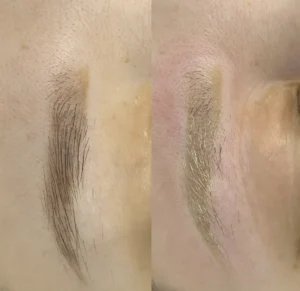
Brow tattoos are a popular cosmetic treatment to define and shape the brows. Not all cosmetic tattoos turn out as expected. As trends change or
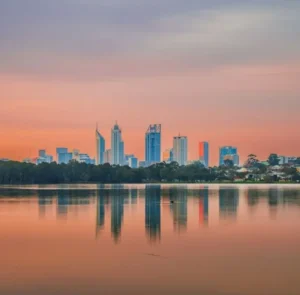
Perth is Australia’s sunniest capital city on the west coast, and it’s a total winner. This city is on the Indian Ocean and the Swan

Melbourne, the cultural and sports capital of Australia, is alive and buzzing 365 days of the year. Home to some of the world’s best sports