Contents
Discovering the Flora and Fauna of the Great Ocean Road
Australia’s most famous seaside journey, the Great Ocean Road, is a natural wonderland. It is 240 kilometres long and extends from Torquay to Allansford. This well-known drive has been described as not just an engineering marvel but also a gateway to some of Australia’s most scenic landscapes. The Great Ocean Road passes through ancient rainforests, spectacular coastlines, quaint seaside towns and pristine beaches, among other things; thus, it showcases different diverse and intriguing ecosystems within this country. Along its length, one can immerse oneself in nature by spotting unique plant species or native animals while enjoying breathtaking sceneries that represent the wild beauty of Australia.
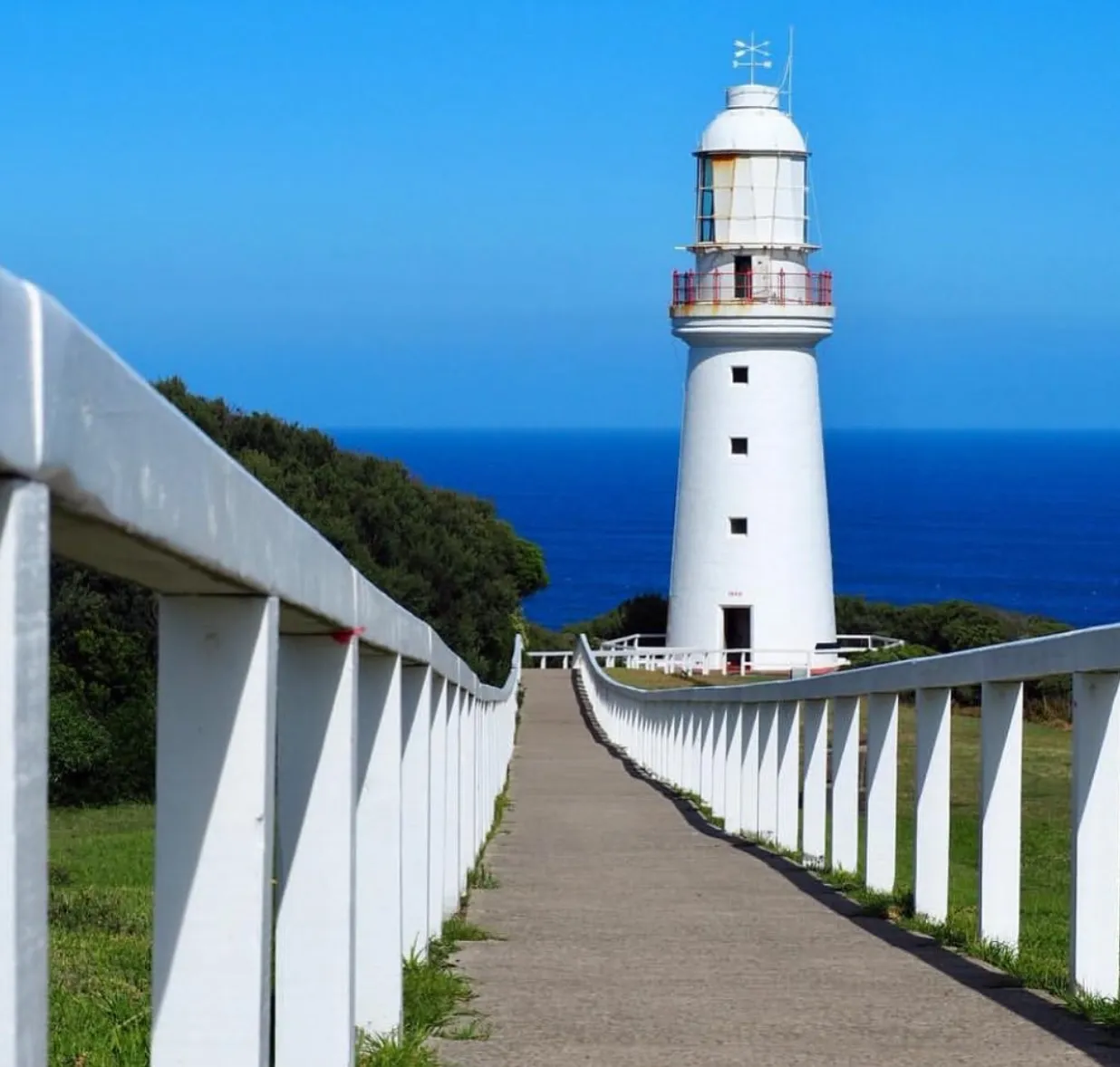
As you travel along the Great Ocean Road, you will be met with a range of natural environments inhabited by indigenous wildlife, for example, colourful native birds and rare glow worms that light up the night. Ancient rainforests at Maits Rest provide a perfect opportunity for wildlife spotting, while the Cape Otway Lightstation area is ideal for those looking forward to seeing different kinds of animals, such as kangaroos or wombats, among others. The Twelve Apostles Coast offers great views in addition to being home to various marine creatures like seals, dolphins and even whales during appropriate times of the year, but it does not stop there because this place always has something interesting happening regardless of whether it’s day or night time which makes every visit worth your while.

Contents
Tree Species that Symbolize the Region
Eucalyptus Trees: characterized by their peeling bark and aromatic leaves, these types of trees dominate most parts of the Great Ocean Road. They are also an essential feature in any ecosystem because they provide food as well as shelter for animals.
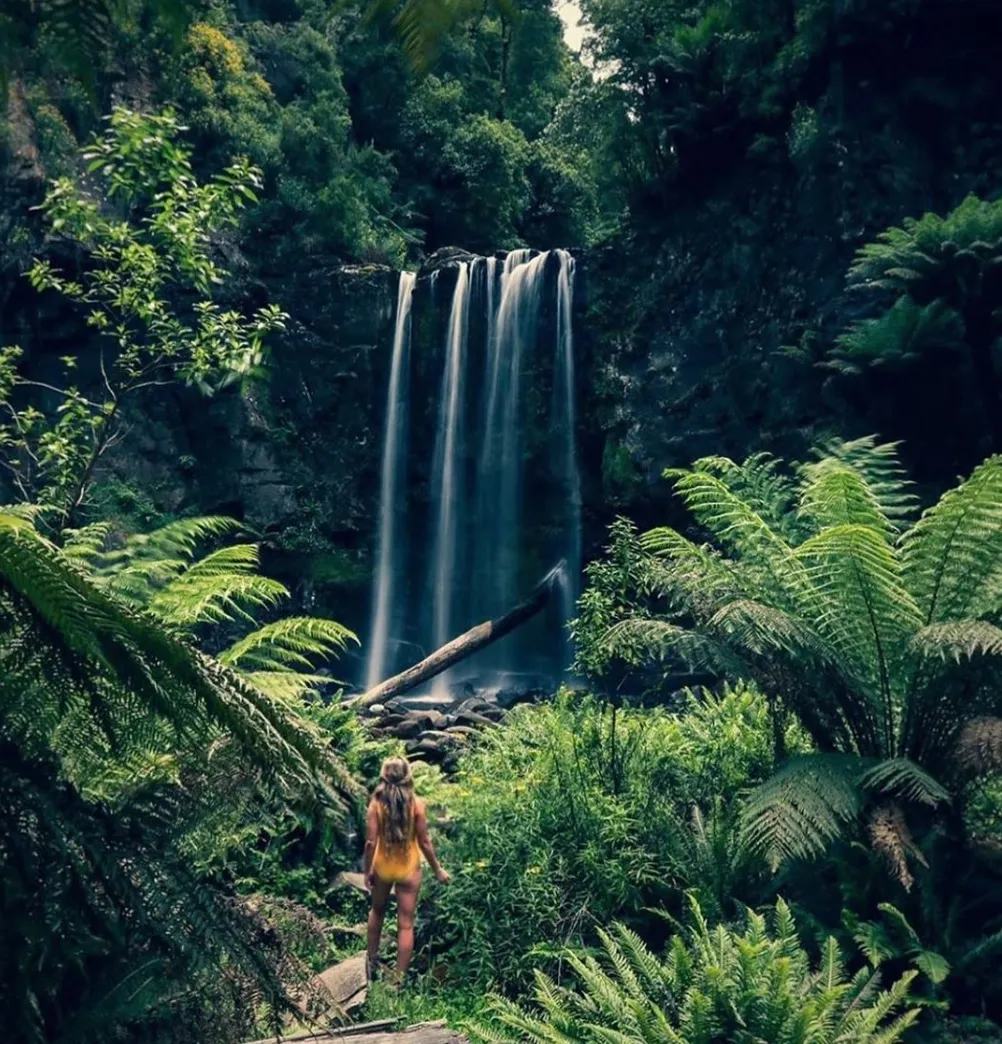
Giant Tree Ferns: These ferns grow in cool, shaded areas within rainforests, which creates a dense green understorey and is one of the most striking plants found in ancient forests.
Giant Tree Ferns: A Rainforest Gem
Giant tree ferns are a distinctive feature of Australia’s ancient rainforests and can be seen along many sections of the Great Ocean Road. These enormous plants thrive in the damp conditions beneath the forest canopy where light is limited, growing up to 15 metres tall. Their large fronds uncurl from tight spirals at the top of a slender trunk, creating an umbrella-like shape that provides shelter for small creatures. The trunks themselves are covered with rough brown scales for protection against grazing animals, making them resemble the legs of giant prehistoric insects!
Eucalyptus Trees: Giants Among Us
No country celebrates eucalyptus trees quite like Australia does, and no road showcases more varieties than Victoria’s Great Ocean Road. Eucalypts (or ‘gums’, as they’re known locally) are not just iconic – they’re also incredibly important to our ecosystems. Koalas feed exclusively on their leaves; birds nest only in their branches, while possums and gliders take advantage of hollow trunks for shelter during daylight hours. Moreover, these forests help moderate regional climates through humidity levels influenced by transpiration rates from foliage coupled with atmospheric cooling effects induced via convection from leaf surfaces.
But there’s more to eucalypts than ecology alone: they’re beautiful too! With their smooth bark ranging from white-grey through silver-blue to various shades of pink and red, against which stand tall, slender trunks bearing narrow lanceolate leaves that shimmer silver in sunlight – it’s no wonder photographers love them. Especially after rain, when you can smell the eucalyptus oil evaporating off those wet leaves, it gives us that cool menthol that hits our noses as we drive along this most scenic stretch of highway.
Coastal Plants: Life at the Edge
On the Great Ocean Road, plants have had to adapt themselves for survival along harsh coastal conditions. These include exposure to wind, salt spray, and shifting sands, among others, leading to some unique characteristics enabling them to thrive in such areas. For example hardy shrubs and low-growing plants make up coastal heathlands which provide a striking contrast with lush forests further inland.
One striking adaptation is shown by the Australian saltbush, whose leaves are tolerant to high saline levels found within its immediate environment. This plant, together with others in these heathlands, plays an important role when it comes to stabilizing sand dunes, thus preventing soil erosion from taking place along beaches or any other area adjacent to where such vegetation occurs commonly. The tenacity displayed by these organisms reveals how strong life can be even under tough circumstances experienced at sea shores.

Wildlife Along The Great Ocean Road
The fauna is just as varied as its flora on Victoria’s Great Ocean Road which boasts a wide array of animal species adapted for different habitats along this famous drive-thru experience. From Otway National Park’s dense rainforests through open heathlands overlooking Bass Strait there exists suitable habitat for many forms of wildlife.
Notable animals
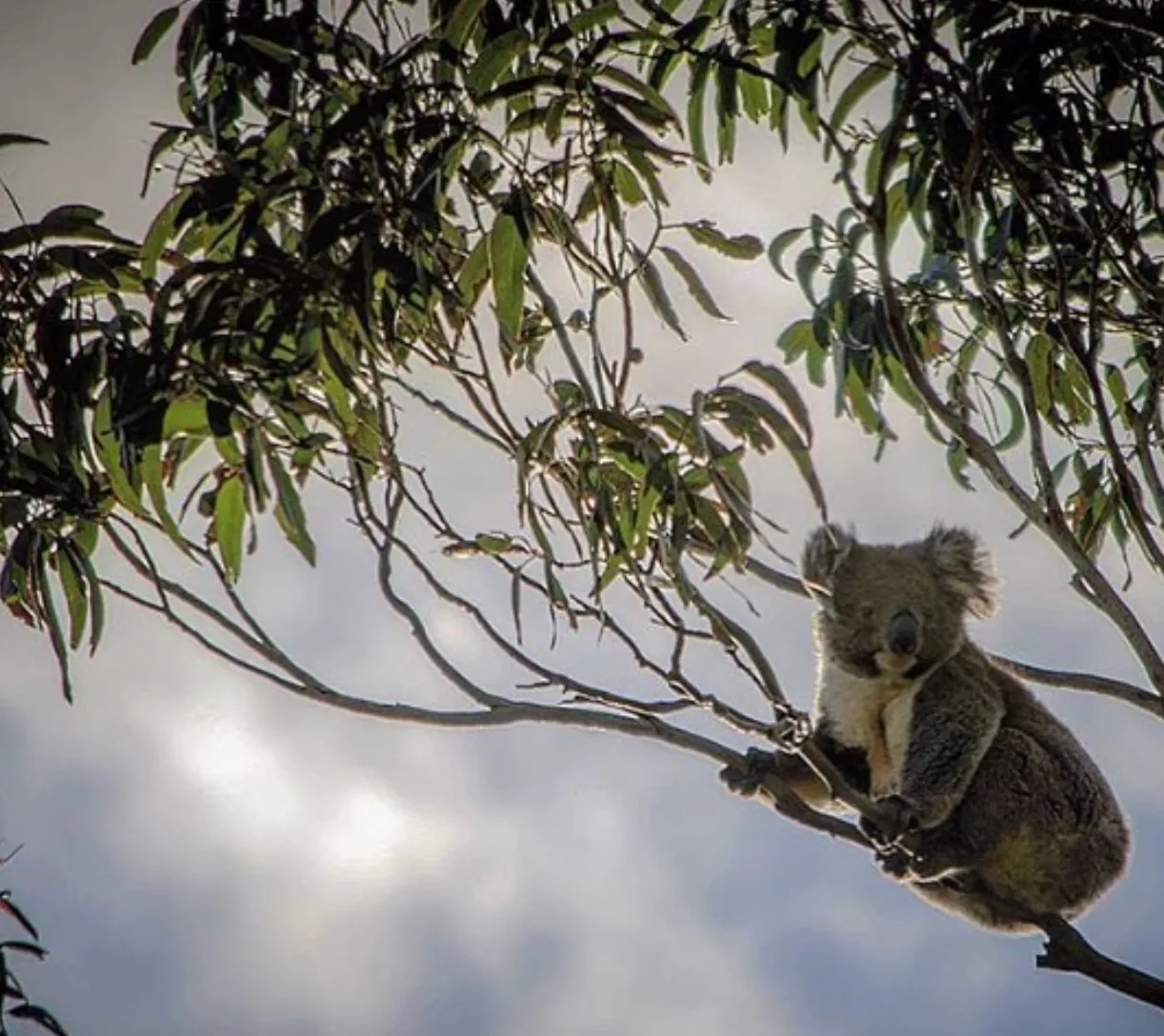
Native Mammals: Perhaps what people come here to see most are koalas and kangaroos in their natural environments; koalas particularly with their cute looks slow movements being such crowd pleasers!
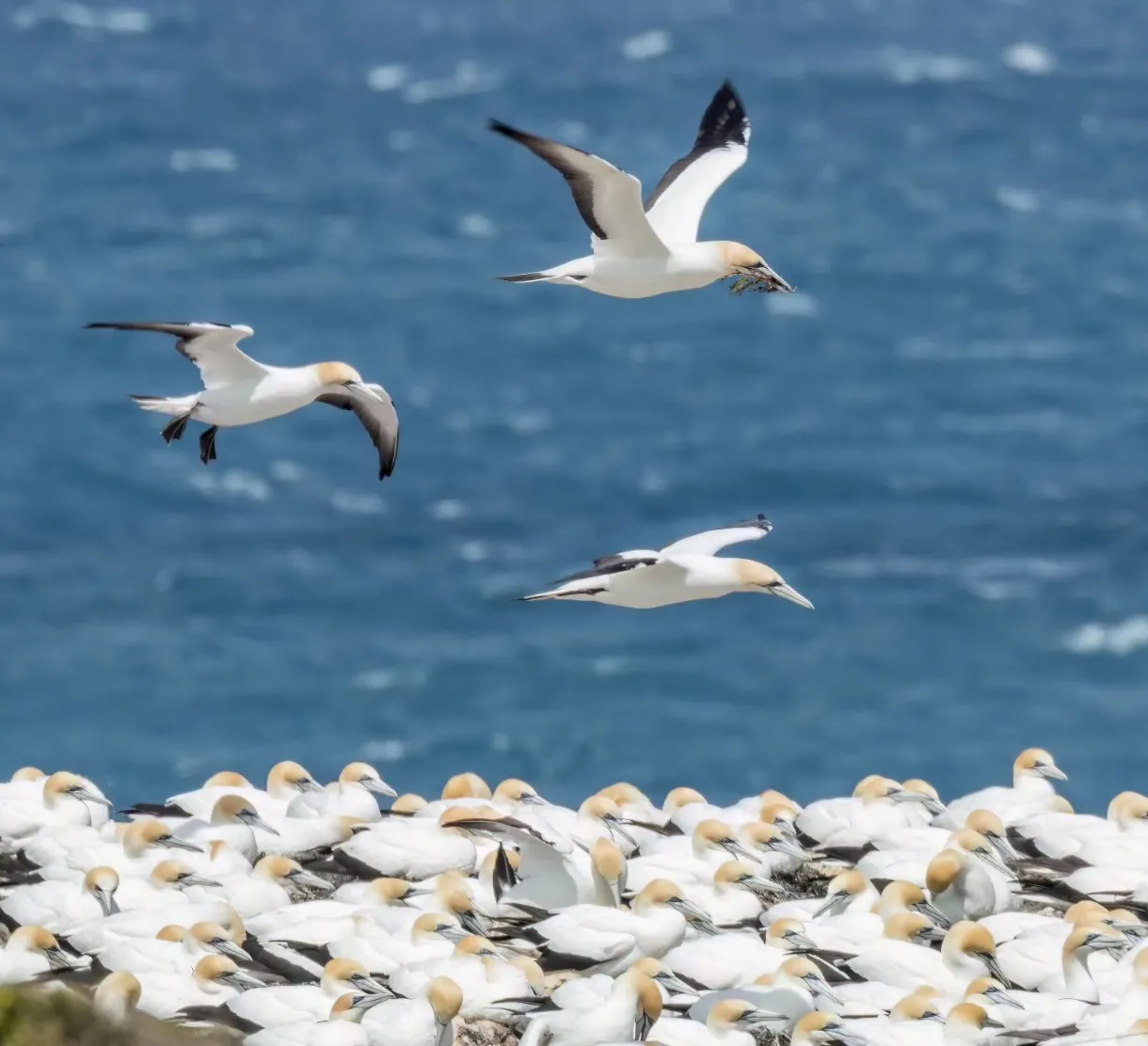
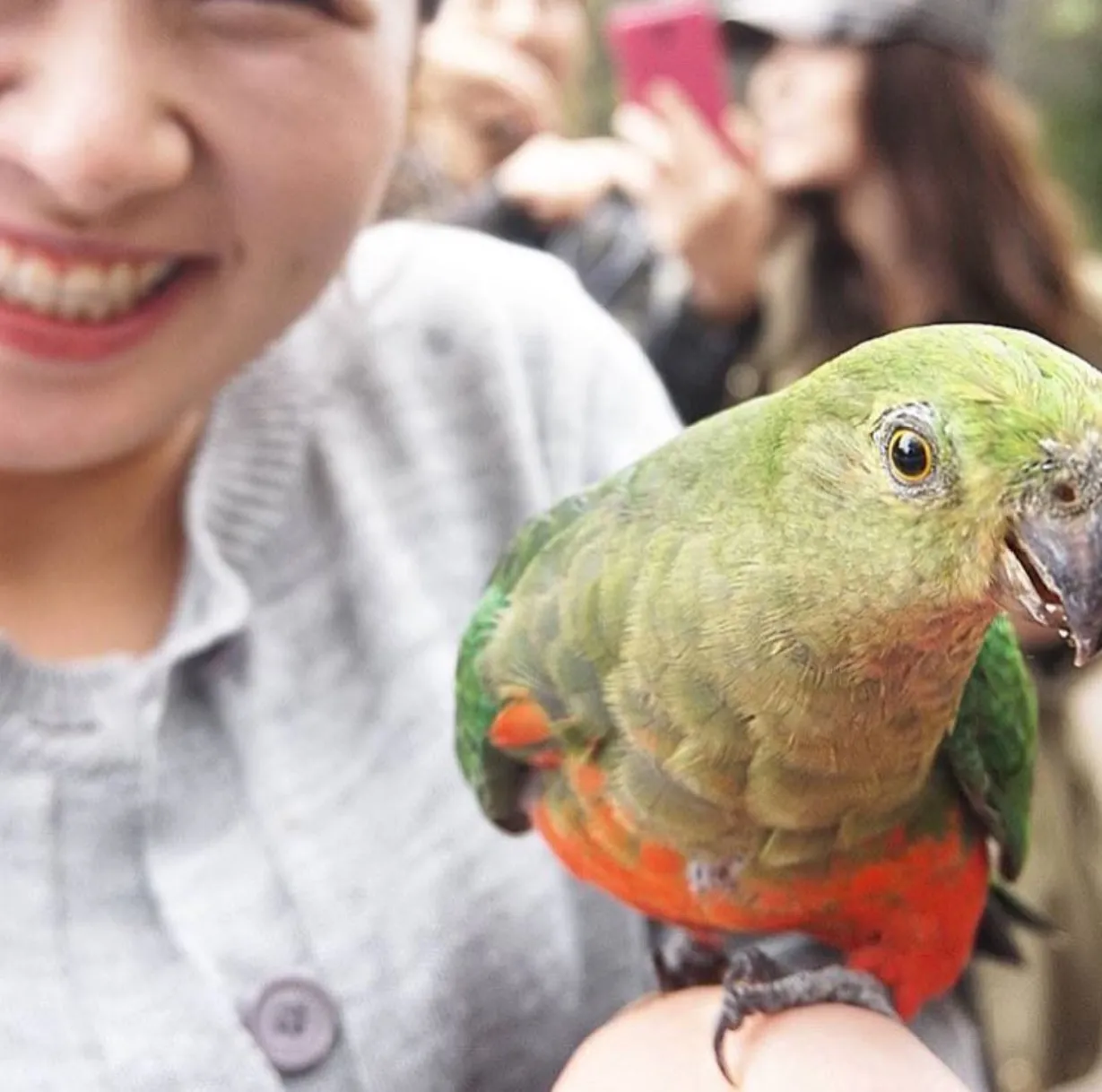
Birds: Colourful parrots like rosellas galahs rainbow lorikeets as well majestic birds such Australasian gannet inhabit these parts so bird lovers will not be disappointed either.
Native Mammals: The Real Headliners
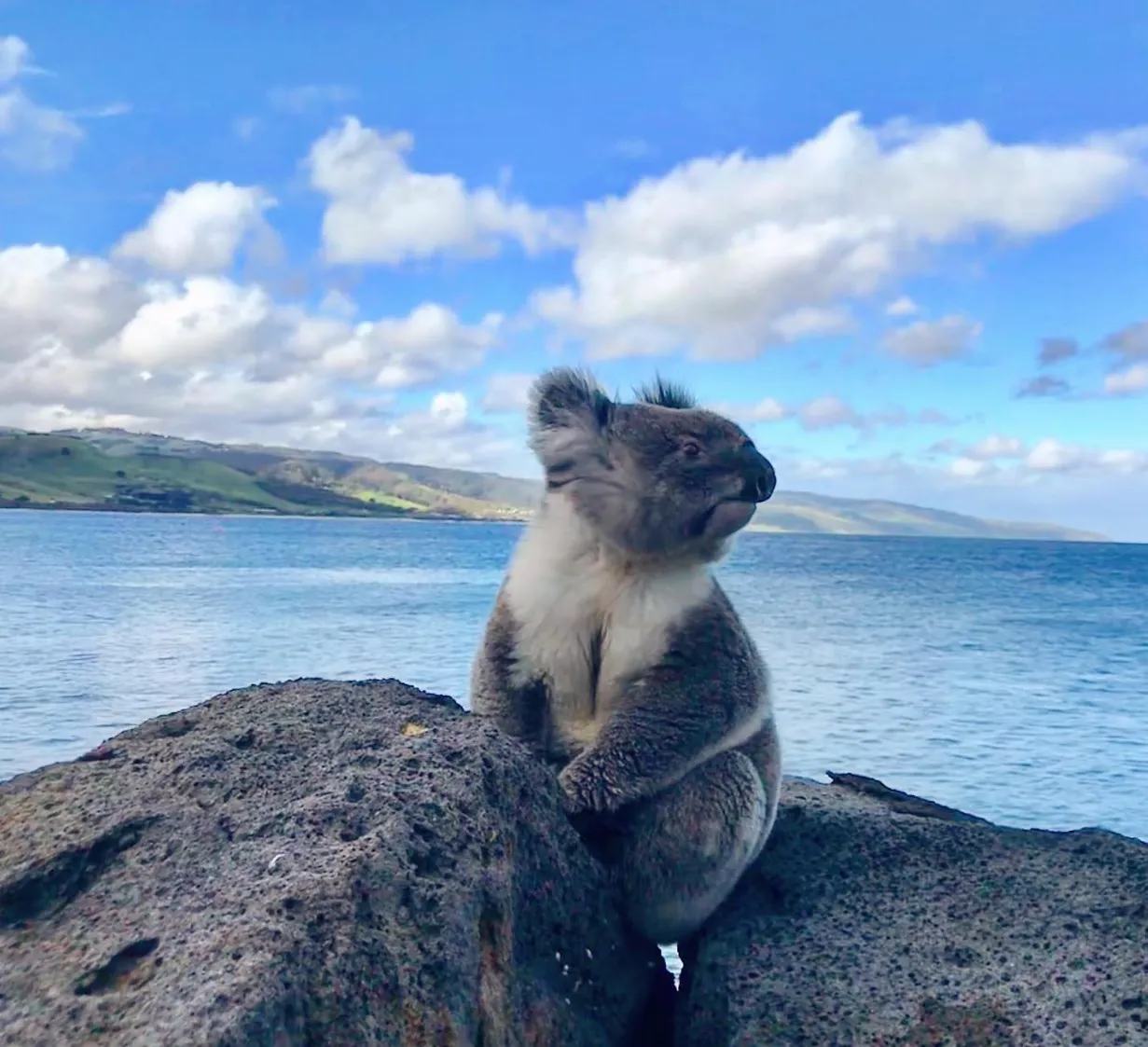
The most exciting wildlife experiences along the Great Ocean Road are typically mammal sightings, and it’s hard to go past Australia’s two iconic marsupials – koalas and kangaroos. Cape Otway near Apollo Bay is a great place for both of these animals, who spend much of their time sleeping or feeding in eucalyptus trees. If you’re lucky enough to see one up close (which is quite common), take care not to disturb them, as they can get aggressive when startled!
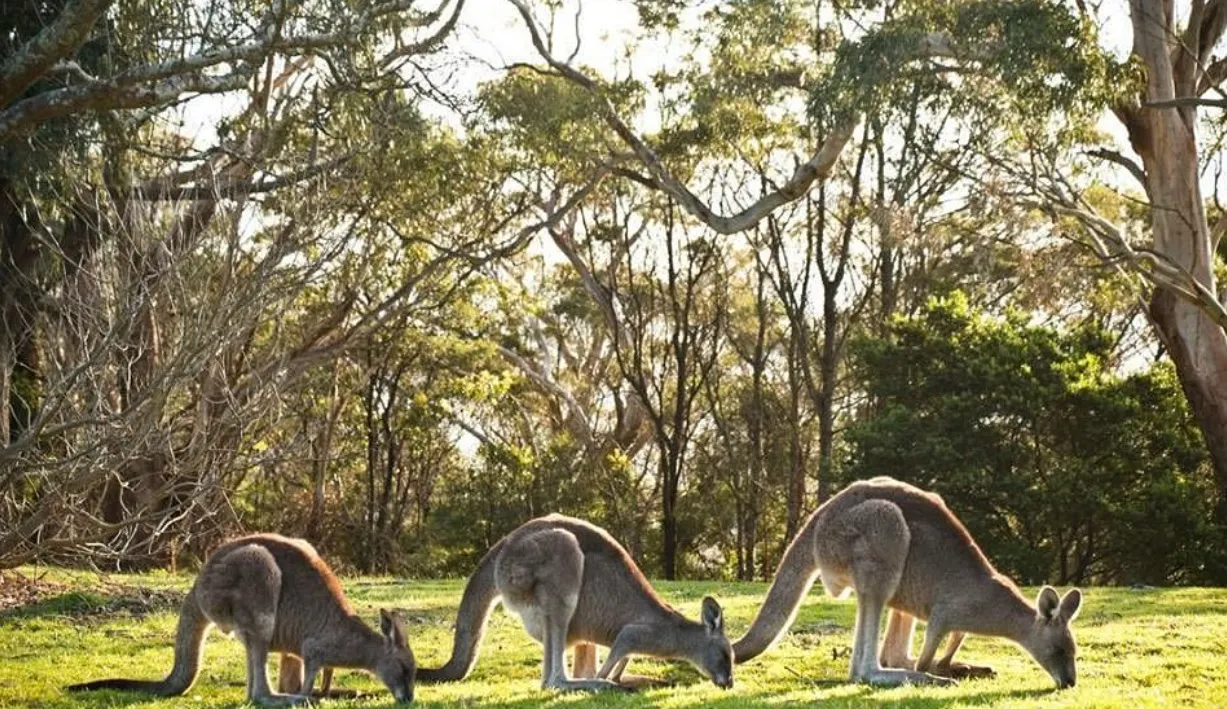
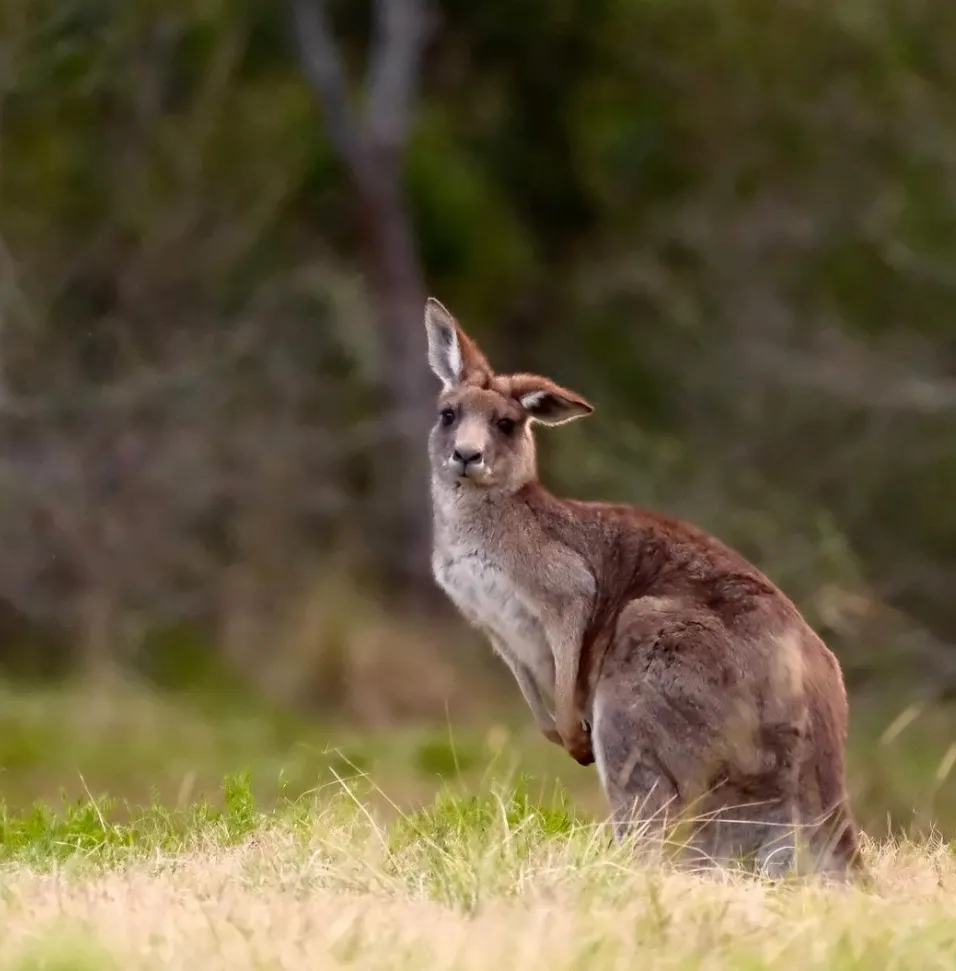
Eastern Gray Kangaroos are also a common species which can be seen in open areas and grassy woodlands; the best times for spotting them are early morning or late afternoon when they are most active. These animals have very interesting social behaviour and great leaping ability, so it’s no wonder people love talking about them!
Birdlife: A Symphony of the Skies
The bird life along the Great Ocean Road is rich and diverse – there is something for everyone. Throughout different habitats such as rainforests or coastal regions, various types of birds can be found due to its many environments. The calls made by native Australian birds only add more depth into your sensory experience while exploring this breathtaking area!
One particular species worth mentioning would be Australasian gannet; these can often be noticed around our coasts thanks to their fishing technique – they dive from heights into water in order to catch fish! Also, if we visit forests or heathlands within range you may see colourful parrots among other beautiful native birds.
Reptiles and Amphibians: Hidden Creatures
Not too frequently observed yet still interesting inhabitants of Great Ocean Road region are reptiles & amphibians, which play significant roles within ecosystems functioning as environment health indicators in many cases too; thus showing how healthy an area might be overall biodiversity wise based on what lives where.
Snakes: There’re several snake species that inhabit along Great Ocean Road; although some might pose danger through venomous bite most others do not but help control population sizes by feeding on rodents instead.
Frogs & Toads: These creatures serve vital role in controlling insect numbers besides acting as food for many other animals thereby indicating good environmental condition particularly related with water quality aspects.
Snakes: Encounters & Safety Tips
Some snakes living near or even on GOR might occasionally meet humans during certain activities, e.g. snake walking tours. Although snakes are not aggressive creatures and usually try to keep away from people, it is still necessary to know what should be done if one comes across this animal while walking through tall grasses or bushes.
When you see a snake around, keep calm and slowly back off without making sudden moves that may scare them into biting defensively; also, wear closed shoes like boots when moving around places known for having high populations of snakes, such as swamps, marshes etc.
Conclusion
Visiting the Great Ocean Road is a truly magical experience that showcases breathtaking landscapes as well as an assortment of natural wonders and cultural heritage. This iconic road snakes through some of Australia’s most ancient rainforests, such as tall tree ferns in Otway Ranges, to dramatic cliffs and clean beaches on Apostles Coast, which are still intact with some wildlife. As we drive, it will be great to spot some hidden koalas, native birds full of colours and shining glow worms. Furthermore, the area has deep roots in culture with both Eastern Maar and Gunditjmara people who bring more beauty to its nature. During this Great Ocean Road sunset tour, we also saw beautiful sights that highlighted the need to preserve these habitats for tomorrow.
FAQ
What is the best time of year to visit for wildlife spotting?
Mild autumn or spring seasons are perfect for wildlife sightings because animals are more active.
Where can I see koalas and kangaroos?
Koala is frequently observed around Cape Otway or Apollo Bay while Eastern Grey Kangaroo lives near Kennett River or Lavers Hill.
Eastern Gray Kangaroos are also a common species which can be seen in open areas and grassy woodlands; the best times for spotting them are early morning or late afternoon when they are most active. These animals have very interesting social behaviour and great leaping ability, so it’s no wonder people love talking about them!
What safety tips should I follow while hiking?
Stick to marked trails, wear proper shoes, take water with you, and keep your distance from wild animals.
How can I help with conservation efforts?
Support eco-friendly tours, adhere to park rules/regulations and consider making contributions towards organizations such as Parks Victoria and Wildlife Victoria.
What should I bring for a day trip?
You don’t want anything more than comfortable walking shoes, camera/binoculars (you never know what you may come across), sun protection clothing/hat/sunscreen/ shade (umbrella) if needed), snacks/water/guidebook (a map or a guidebook).